What happened
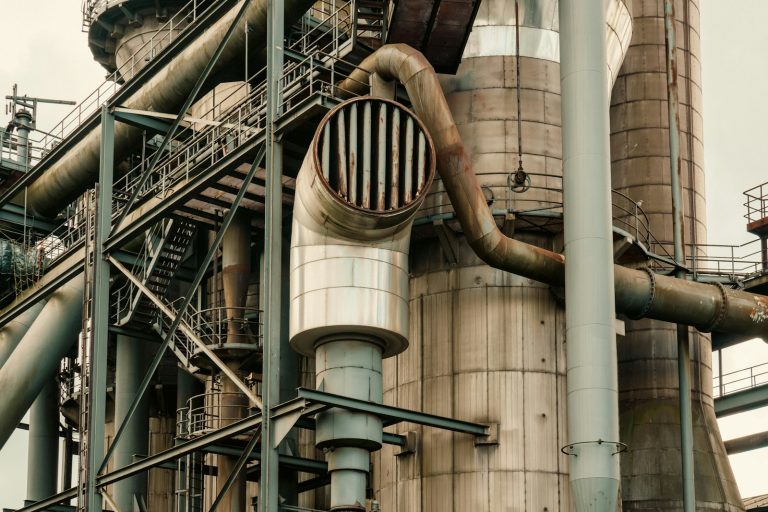
On 12 October 2021, a worker was seriously injured at a site operated by Wedge Group Galvanizing Limited on the Lords Meadow Industrial Estate in Crediton, Mid Devon, United Kingdom. During the galvanising process, a steel beam weighing almost three tonnes (an RSJ) fell into a bath of molten zinc after the lifting chain suspending it above the bath failed. The impact sent a wave of molten zinc over a 33-year-old worker. His clothing caught fire and he suffered burns to 40 per cent of his body.
He was airlifted by trauma helicopter to a hospital in Bristol. He underwent thirteen operations in total, spent eleven days in intensive care, and developed infections and sepsis as a result of his injuries.
What did the HSE find?
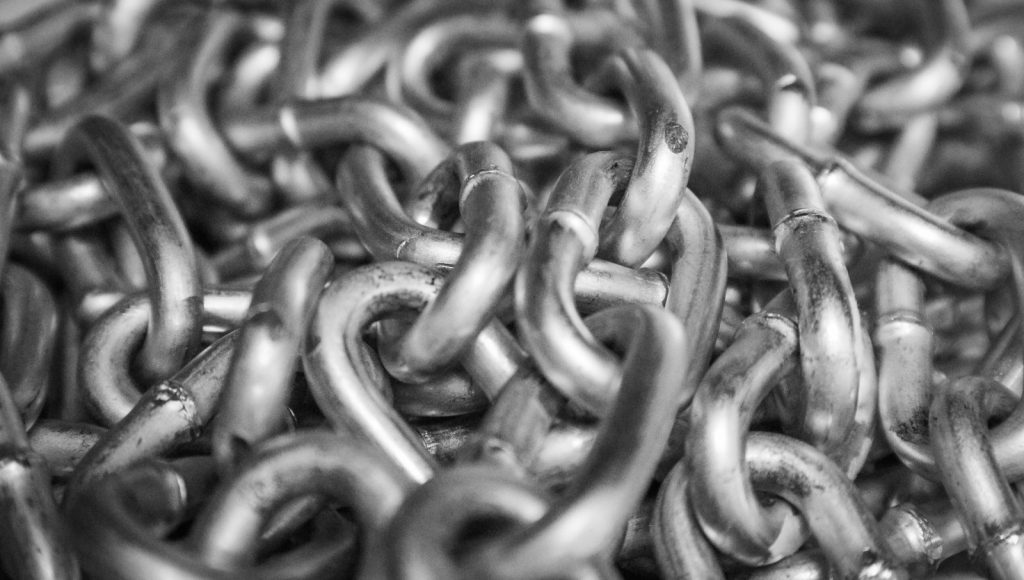
The investigation by the UK’s Health and Safety Executive (HSE) found that the lifting chain used showed visible damage and wear but had nonetheless not been taken out of service. The chain had also not undergone the periodic inspections required for lifting accessories. In addition, the way the beam was attached and lifted was incorrect, meaning the load on the chain exceeded its safe working load.
The company’s risk assessment was found to be inadequate: it contained no specifications for checking the lifting chain or for the correct lifting arrangement. Wedge Group Galvanizing Limited pleaded guilty to breaching section 3(1) of the Health and Safety at Work etc. Act 1974. The case also touches on the Lifting Operations and Lifting Equipment Regulations 1998 (LOLER), which require lifting accessories to be examined by a competent person at least every six months. Industry guidance and the chain manufacturer’s own instructions go further still, requiring a daily pre-use inspection given the acidic environment of a galvanising plant.
Recommendations
Bristol Magistrates’ Court fined the company £566,666 on 14 October 2026, plus £15,521 in costs. HSE inspector Alexander Ashen described it as a “wholly-avoidable incident” that left a young man having to endure truly terrible injuries. He said it was shocking that an industry-leading firm, with considerable resources at its disposal, should risk the lives of its workers with substandard inspection protocols, adding that the consequences could have been even more severe.
The lessons from the HSE’s findings are clear: lifting accessories exposed to heat or chemicals should be inspected more often than the statutory minimum, damaged equipment must be withdrawn from use immediately, and risk assessments must spell out concretely how lifting gear is checked and how a load is correctly slung before lifting work begins.
Context
The size of this fine fits a broader pattern. Under the Sentencing Council’s guideline for health and safety offences in England and Wales, the fine is determined partly by an organisation’s size (turnover), the seriousness of the offence and its level of culpability. For the most serious categories, large organisations (turnover of roughly £50 million or more) can face fines of up to £10 million, while micro-organisations face a maximum of around £450,000; where turnover is far above the threshold, a court may even exceed the guideline maxima. That explains why fines for a leading industrial company such as Wedge Group Galvanizing can run well above half a million pounds.
For EHS professionals worldwide, this case is a recognisable illustration of a risk that is not confined to the United Kingdom. Lifting operations above baths of molten metal, aggressive fumes or other extreme conditions call for inspection frequencies that go beyond the statutory minimum, and for risk assessments that set this out concretely. Comparable employer liability for inadequate oversight of lifting equipment and risk assessment exists in almost every legal system with occupational health and safety legislation, from OSHA regulation in the United States to EU directives on work equipment. The core message is universal: periodic inspection is a legal minimum, not a safety guarantee, in an environment that accelerates the ageing of materials.
Source: Half-a-million pound fine for company after worker suffers 40 per cent burns, 20 October 2026
Additional research: The Workers Union – “Worker suffers 40% burns in devastating molten metal accident company fined £566,666” (21 October 2026), Safety Notes – “LOLER Inspection in Hazardous Environments: Case Study & Best Practices”, HSE Media Centre (overview page, 20 October 2026), NBS – “New guidelines see health and safety fines rise” (Sentencing Council guideline for health and safety)