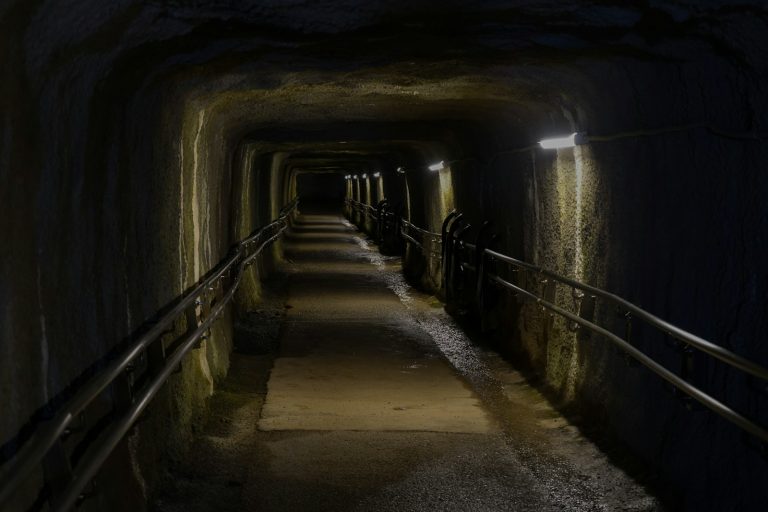
Caught-in or -between incidents – situations in which someone is caught, pinned or crushed by or between objects, material or equipment – are a persistent risk in construction. This emerges from figures from the US research organisation CPWR (Center for Construction Research and Training), which the Belgian knowledge platform for prevention advisors Prebes vzw is highlighting. Important: the figures are not Belgian or European, but based on US workplace accident statistics from OSHA, the US federal safety agency.
How often do caught-in or -between incidents occur in construction?
OSHA classifies caught-in or -between incidents among the “Focus Four hazards”, together with falls from height, being struck by objects and electrocution. Together these four hazards account for more than half of all fatal accidents in the US construction industry. According to CPWR, in the 2023-2024 period about 5% of all fatal construction accidents were attributable to caught-in or -between incidents. Of all industries, construction had the highest share of this type of incident in that period (30%); only agriculture/forestry and mining/oil and gas extraction score higher when it specifically concerns fatal cases.
Collapse causes the most fatalities
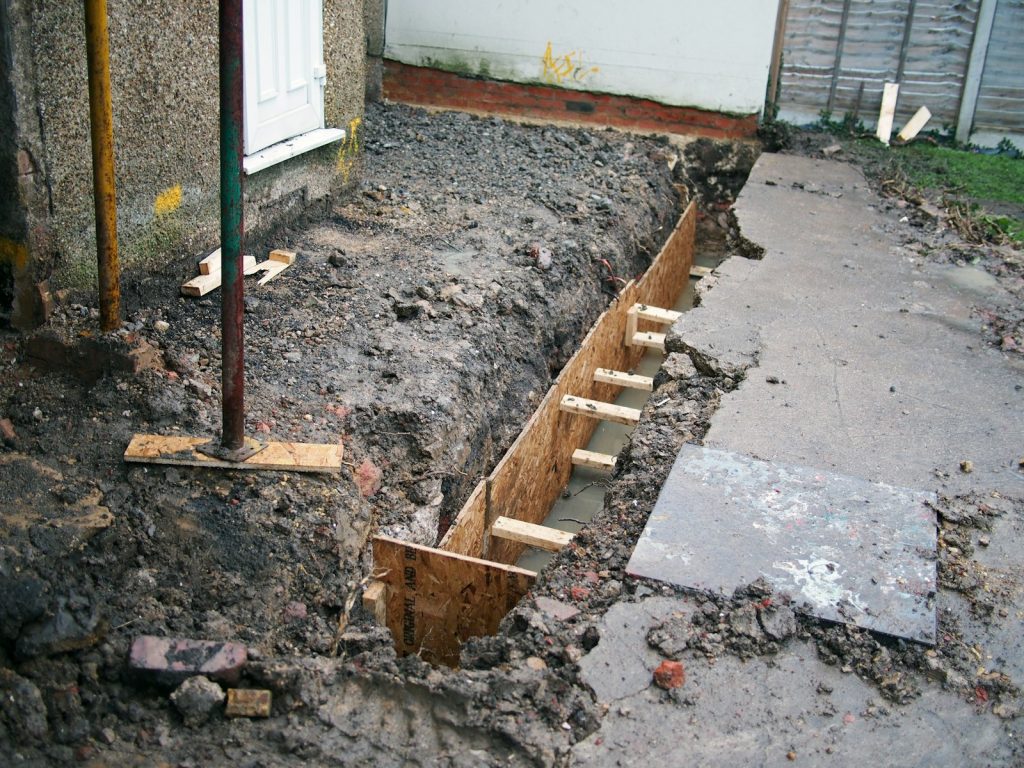
The figures reveal a distinction that matters for prevention strategy. Among fatal accidents, 68.8% resulted from collapse or engulfment, for example from caving soil in a trench or ditch. Only 17.7% of fatal cases arose from someone being caught between rotating equipment and another object. For non-fatal accidents the ratio is different: 41.9% arose from someone being caught or pinned by or between non-moving equipment, and 38.1% from someone becoming entangled in moving equipment during normal use. This is therefore not primarily about machine safety in the sense of hands or fingers caught in equipment: among fatal victims, burial or collapse of soil and material is the largest category. According to CPWR, the five words most often associated with these incidents are: trench, wall, collapsed, between and pipe.
What measures help?
CPWR itself barely addresses concrete measures and mainly refers to additional publications, concluding that fatal caught-in or -between accidents can be prevented by tackling common hazards. For further analysis, CPWR refers among other things to its Data Bulletin “Trends of Caught-In or -Between Injuries Among Construction Workers”. Given the figures, for fatal risks the emphasis lies on securing trenches and other earthwork against collapse.
Context
Construction is also a high-risk sector in the European Union. According to EU-OSHA (OSHwiki), construction has the highest rate of non-fatal workplace accidents of all sectors in the EU: 2,961 accidents per 100,000 employed individuals. In 2023, almost a quarter (23%) of all fatal accidents at work in the EU occurred in the construction sector. Most fatal construction accidents in the EU result from falls from height and being struck by moving vehicles. No separate European figures on caught-in or -between incidents were found, so the US percentages cannot simply be applied to Belgian or European construction sites.
For international HSE professionals, the distinction between collapse risk (earthwork, trenches) and machine-related entrapment is nonetheless useful when prioritising measures.
Source: Grijp- en pletincidenten in de bouw: wat vertellen de cijfers?, 30 October 2026
Additionally researched: EU-OSHA/OSHwiki, overview page on construction safety and prevention in the EU (2023 figures).