Incident
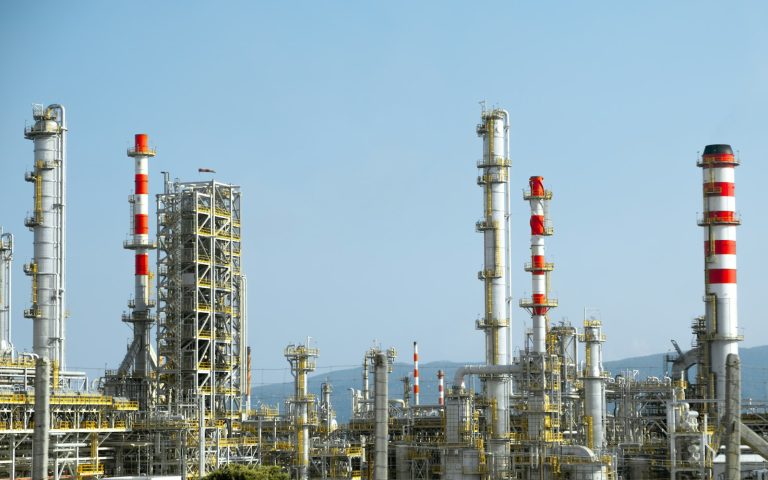
On 10 April 2024 at 4:40 pm, a fire broke out in the esterification unit (biodiesel production) of the Saipol plant in Sète, France, a Seveso-classified site. Firefighters had the blaze under control by 6:10 pm. A Saipol employee was injured and admitted to intensive care at Montpellier hospital; his condition was not life-threatening and he was discharged in early May with improving health. Only the biodiesel workshop was damaged; seed-crushing operations were unaffected, although the biodiesel unit was shut down following an emergency order from the prefecture. Seed processing resumed on 27 May 2024 with regulatory approval. The prefecture confirmed there was no pollution risk: firefighting water was contained in an on-site retention basin and environmental analyses showed no anomalies.
Findings
France’s Bureau d’enquêtes et d’analyses sur les risques industriels (BEA-RI), the industrial risk investigation authority, published its findings in the summer of 2026. Its main conclusion: there was “méconnaissance de la situation de l’installation par les entreprises intervenantes” – insufficient awareness, among the external companies carrying out work on site at the time, of the current state of the installation. Substantial maintenance work by subcontractors was underway when the fire broke out, on an installation with an elevated risk profile due to its Seveso classification. This combination – external personnel working on a site without full visibility into its current operational status – is a recurring failure pattern in industrial incidents: the operator knows the installation, but the executing party does not necessarily, and it is precisely in that handover that risk arises.
Recommendations
According to reporting, the BEA-RI report contains eight recommendations aimed at improving the exchange of information between the operator and subcontractors about the current status of an installation before work begins on a Seveso site. The full, literal content of each recommendation could not be retrieved for this article (see the source note below); it has been confirmed that there are eight, and that they address this information-handover issue. This issue – subcontractors insufficiently informed about the operational status of an installation – is recognisable to EHS professionals worldwide for any form of outsourced maintenance at chemical or industrial sites, regardless of jurisdiction: clear, assured handover of installation status to external parties before work starts remains a core condition for safe work with third parties, especially at higher-risk sites such as Seveso facilities.
Source: Incendie de l’usine Saipol à Sète : le BEA-RI relève un manque de transmission d’informations aux sous-traitants, 18 September 2026. Additional research: Saipol company communications (saipol.com), news coverage of the April 2024 incident.