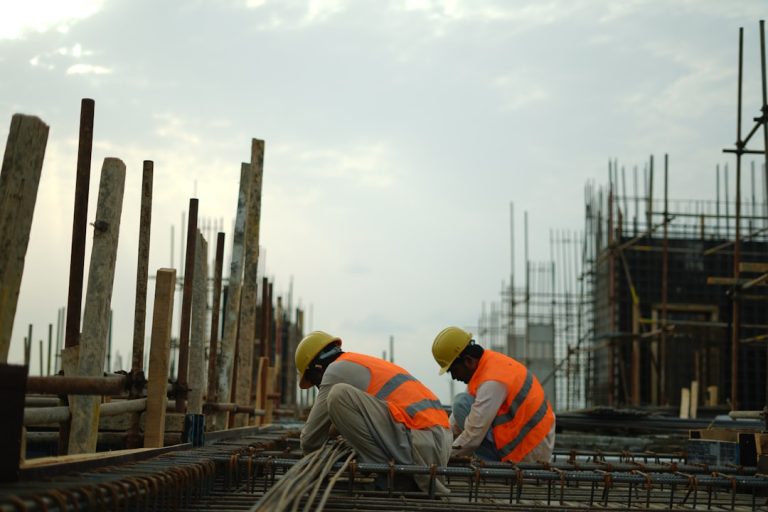
Workers don’t leave their personal lives at home when a shift begins. Caregiving duties, a second job, financial stress or simply too little sleep travel with them onto the shop floor, where they affect concentration, reaction time and judgement. That’s the central argument of an article by journalist Evelyn Long, published on 8 September 2026 in the US trade publication ISHN, which calls for a broader view of safety risk within EHS (environment, health & safety) practice.
Fatigue isn’t a violation, but it is a risk
The US Centers for Disease Control and Prevention (CDC) names insufficient sleep, long commutes and irregular shifts as leading causes of workplace fatigue. None of these factors amounts, on its own, to a breach of a safety protocol, but each can impair performance. According to the article, fatigue shows up through recognisable signs: reduced concentration, slower reactions, frequent yawning, mood swings and wandering attention during repetitive tasks. A key complication is that fatigued workers themselves are often poor judges of how far their performance has slipped — which makes targeted awareness training essential.
Life outside work counts too
Beyond physical tiredness, the article points to the cognitive load of financial worries, caregiving responsibilities and relationship problems — all of which consume mental capacity that is needed for higher-risk tasks. Long commutes further shrink the time left for recovery, such as sleep, exercise and relaxation, compounding fatigue risk. The author therefore recommends that organisations treat sleep as a safety priority rather than optional wellness advice, build fatigue recognition into training, design schedules that allow adequate recovery time, foster a culture in which workers feel safe reporting exhaustion, offer guidance on sleep hygiene and transport support, and routinely factor fatigue into incident investigations to surface systemic patterns.
Why this matters for EHS professionals
For safety professionals worldwide, not just in the United States, this theme touches on a fundamental question: how far does an organisation’s responsibility for its employees’ functioning actually extend? Traditional safety systems focus mainly on conditions within the company’s own walls — procedures, protective equipment, machine safety. Fatigue and personal strain, however, often originate outside those walls, yet still shape the risk of incidents. That makes the theme relevant across sectors, from manufacturing to transport and healthcare, regardless of local regulation. It fits a broader trend in which risk management looks not only at tasks and equipment, but at the person making the decisions.
The article concludes that modern EHS practice calls for “whole-person risk management”: factoring in workers’ full personal circumstances, since those circumstances help determine how well someone can make decisions on the job.
Source: Fatigue, Off-the-Job Factors the Next Frontier for EHS Professionals, 8 September 2026, https://www.ishn.com/articles/115582-fatigue-off-the-job-factors-the-next-frontier-for-ehs-professionals