Workers in France who develop lung cancer as a result of exposure to crystalline silica (quartz dust) may soon be able to have the disease recognised as occupational, even in the absence of a silicosis diagnosis. The French government is preparing a new table, number 25 ter, under the general social security scheme, to make this possible. The proposal is currently out for consultation, according to actuEL-HSE.fr.
Under current French rules, lung cancer can only be recognised as an occupational disease if signs of silicosis — the dust-related lung disease that can result from prolonged inhalation of silica dust — are also present. That link excludes cases where lung cancer results from silica exposure but silicosis has not developed. The new table would remove that requirement.
The new framework would also work with an indicative, non-exhaustive list of occupations and activities in which exposure may occur, rather than a restrictive list. Technical qualifying criteria that could make it harder for workers to establish the occupational origin of their disease would also be dropped.
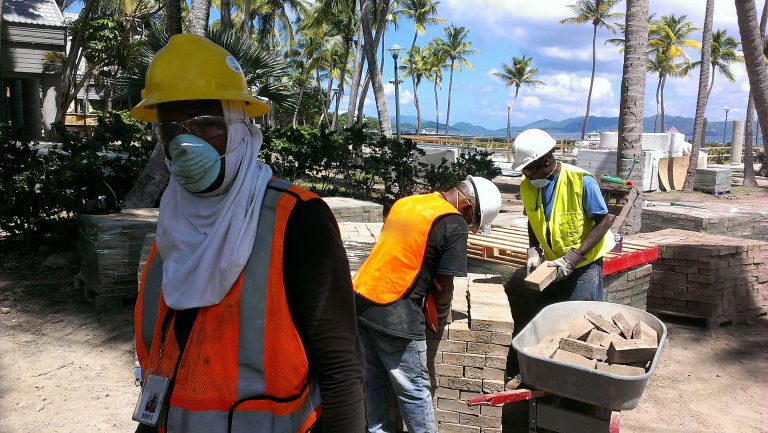
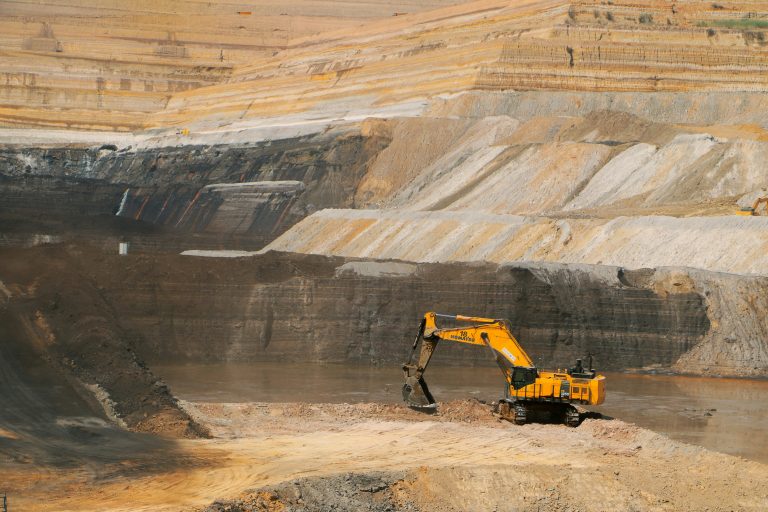
For EHS professionals, the issue matters because crystalline silica is estimated to affect around 780,000 workers in France, including in sectors such as construction, stone processing and mining, where quartz dust is released when working stone, concrete and related materials. A lower recognition threshold could have implications for prevention policy, exposure record-keeping and the handling of occupational disease claims in these sectors.
Source: Silice cristalline : le cancer du poumon sans silicose bientôt reconnu par un tableau de maladie professionnelle, 10 September 2026, https://actuel-hse.fr/content/silice-cristalline-le-cancer-du-poumon-sans-silicose-bientot-reconnu-par-un-tableau-de