
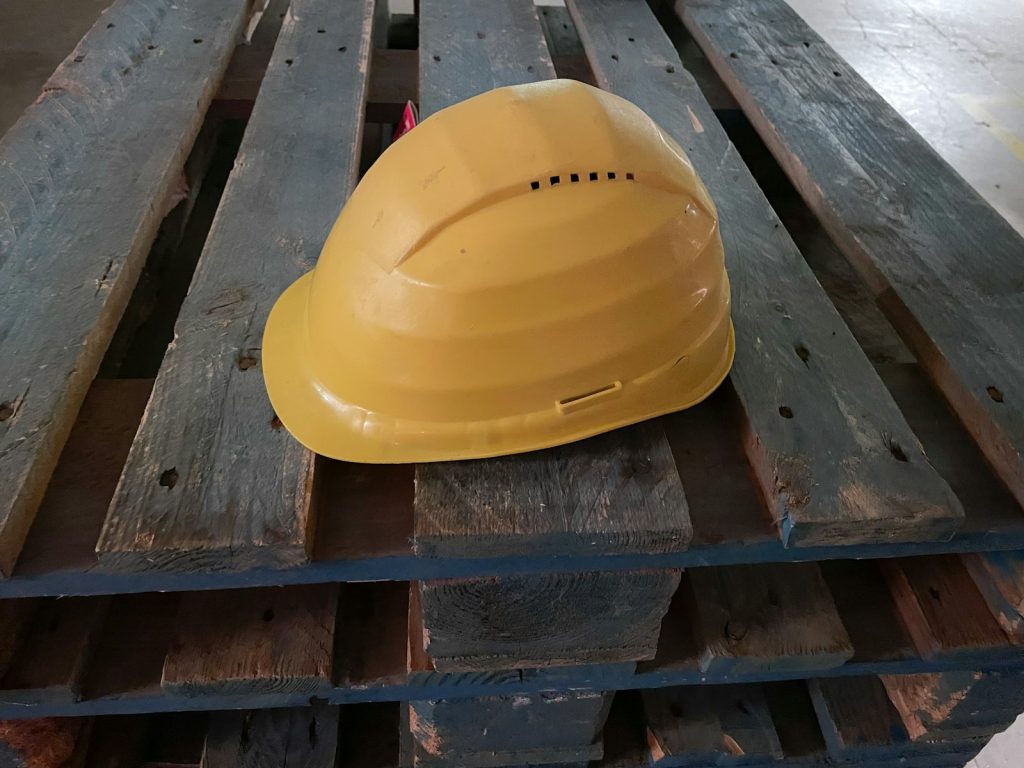
When Does Workwear Legally Count as PPE?
Italian case law clarifies when workwear legally qualifies as personal protective equipment (PPE), with implications for employers across the EU.
Italian case law clarifies when workwear legally qualifies as personal protective equipment (PPE), with implications for employers across the EU.

Two German court rulings show that employers must act on signs of workplace mobbing, but not every conflict automatically counts as mobbing in law.

The European Parliament has approved CMRD 6, adding new EU occupational exposure limits for cobalt, PAHs, 1,4-dioxane and welding fumes in workplaces.

Despite broad spending cuts in France’s draft 2027 budget, funding for occupational safety and health keeps rising, according to trade outlet actuEL-HSE.

The EU’s revised CLP Regulation sets stricter labelling rules for hazardous chemicals, including digital QR codes, with full compliance due by 2028.

France’s 2027 budget bill would set employers’ work-accident insurance premiums at company level instead of per site, to cut a growing deficit.

Gill Aggregates was fined £24,000 after a 34-year-old production operator died from crush injuries in a conveyor belt at a depot in Dagenham, UK.

A prevention advisor combines site visits, workstation analyses and reporting to structurally improve safety and well-being in the workplace.

The Dutch Labour Inspectorate fined two cleaning companies more than €700,000 for paying staff in cash and illegally employing personnel without permits.

Fall protection, hazard communication and ladders remain OSHA’s most-cited standards; regular inspection and training reduce the risk of a fine.