
Heat stress at work: EU unions push for rules
The European Trade Union Confederation urges the EU to adopt binding rules on workplace heat risks, including WBGT-based assessments and limits.
The European Trade Union Confederation urges the EU to adopt binding rules on workplace heat risks, including WBGT-based assessments and limits.
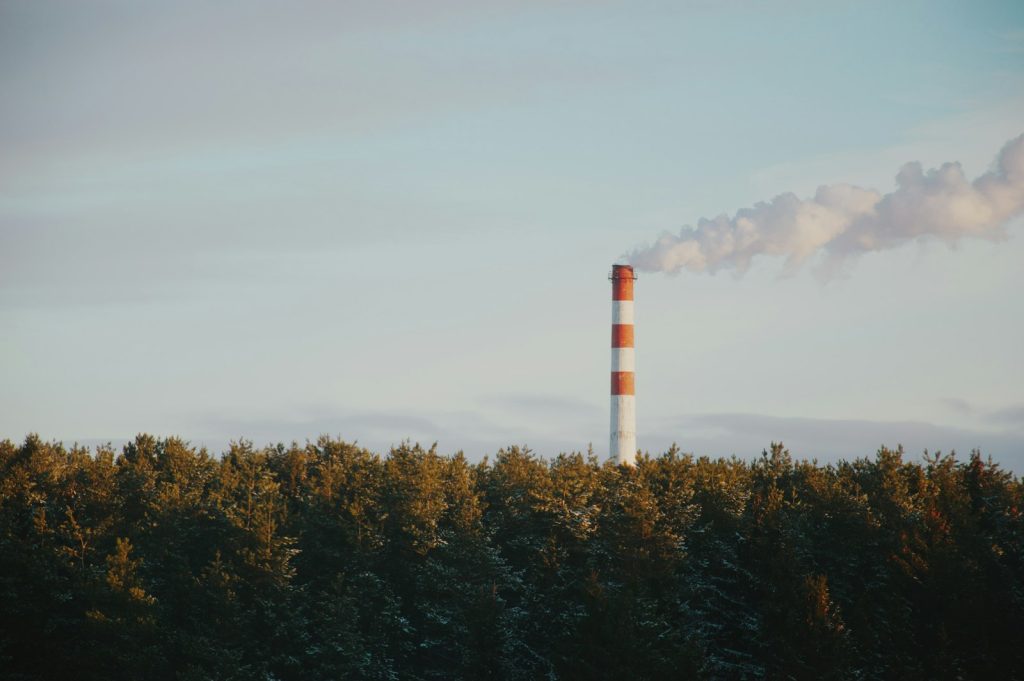
Wildfires pose a growing risk to industrial facilities in France, but are not yet a mandatory part of companies’ safety and emergency plans.
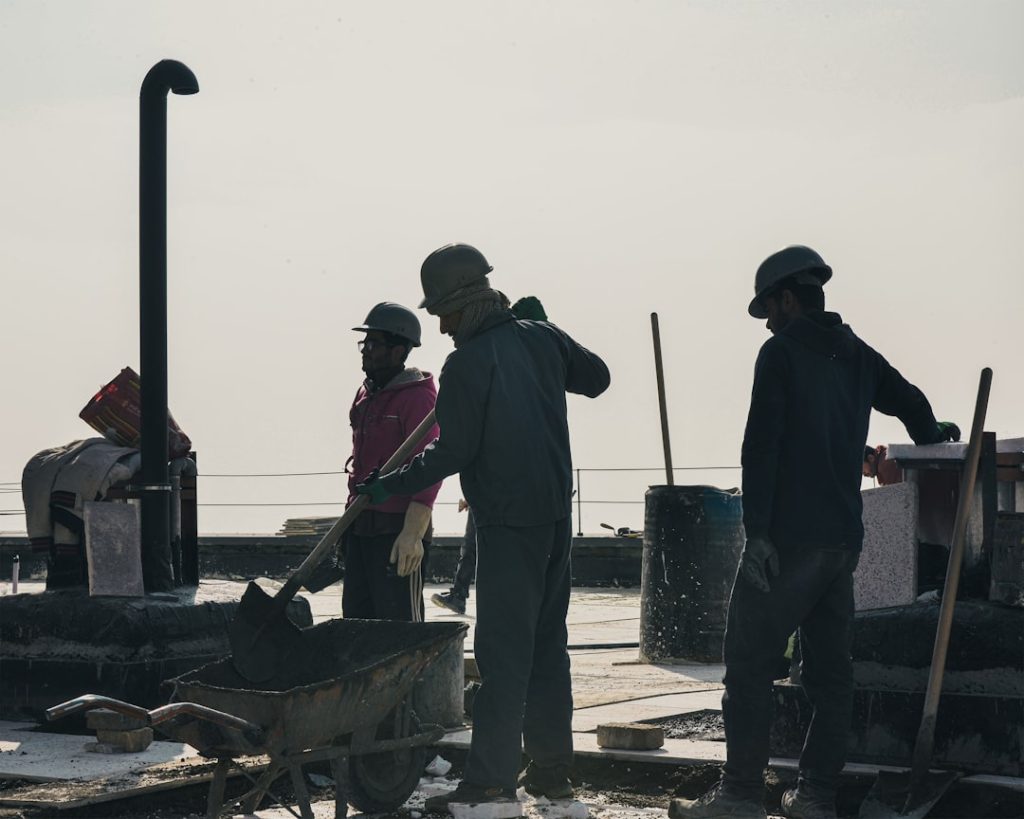
Climate change is already having measurable effects on the safety and health of workers in the European Union, according to

France’s public health and safety agency Anses is finalizing research into the link between skin cancer and occupational UV exposure, aiming to secure recognition of a new occupational disease. This puts France behind neighbouring countries such as Germany, Switzerland and Belgium.

Field research by UC Berkeley and the University of Sydney at two US factories shows that industrial fans noticeably lower the perceived heat load on factory workers, with a positive effect on self-reported effectiveness and physiological stress markers.
France studied Spain’s heat-at-work policy this week during a visit by Minister Farandou to Madrid — automatic adjustment of working hours, climate leave and stop-work authority for prevention officers stand out as key differences with France.
A large-scale survey of more than 11,000 employees shows that a majority of respondents felt inadequately protected during extreme heat at work. The results underscore the need for better prevention and clearer guidelines for employers.

The European Agency for Safety and Health at Work (EU-OSHA) has moved into new office premises in the centre of Bilbao. The relocation is intended to strengthen collaboration with partners whilst providing a more sustainable working environment.