
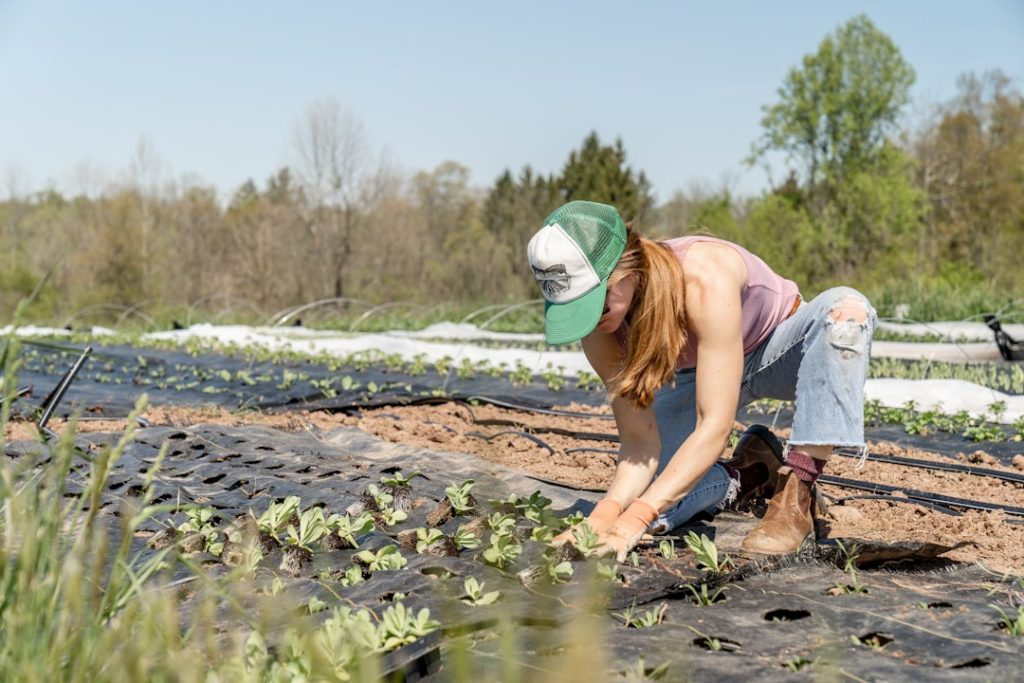
West Nile virus, which circulates between birds and mosquitoes — particularly the common house mosquito (Culex), which occurs naturally in Belgium — can also infect humans through mosquito bites. Direct contact with an infected colleague poses no risk: transmission requires a mosquito bite. Around 80% of infected individuals remain asymptomatic; those who do develop symptoms may experience fever, headache, muscle pain and fatigue. Severe neurological complications such as encephalitis are rare and mainly affect the elderly and people with weakened immune systems. No vaccine currently exists for humans.
Biological agent under Belgium’s wellbeing legislation, four layers of prevention
West Nile virus is classified under Belgium’s Wellbeing at Work legislation as a “biological agent” in hazard group 3 (capable of causing serious illness), obliging employers to assess worker exposure and implement appropriate controls. Potentially higher-exposure occupations include military personnel active in endemic areas, farmers, forestry workers, veterinarians and laboratory staff — though the actual risk depends on working conditions rather than job title alone. Employers are advised to apply a layered approach: source control (eliminating stagnant water and mosquito breeding sites), technical controls (screens and sealing building openings), organizational measures (scheduling outdoor work outside peak mosquito activity) and personal protection (protective clothing and approved insect repellents). Appropriate health surveillance requires collaboration between the occupational health and safety service and the occupational physician where a risk assessment identifies genuine exposure.
For EHS professionals worldwide, this example illustrates how climate change and the spread of disease vectors are increasingly introducing new biological hazards to the workplace, including outside traditionally endemic areas.
Source: Westnijlvirus in België: wat betekent dit voor de werkvloer?, September 18, 2026


