A research team at the University of Alberta in Edmonton, Canada, has developed a new safety check specifically aimed at water, ice and muskeg (peat bog) hazards in the Canadian mining industry. The Start Work Check, led by Dr. Lianne Lefsrud, adapts a framework from the International Association of Oil & Gas Producers (IOGP) and is meant to help workers confirm, right before starting a high-risk task, that the right controls are in place and working.
What does the new check involve?
The check is tied to a bowtie diagram: a visual map of the causes and consequences around a central loss of control, together with the critical controls meant to prevent it. Similar versions already exist for confined space entry, excavation, working at height and mobile equipment. Alongside the paper version, Lefsrud’s team is developing a digital app called GroundSafe, aimed at contractors and subcontractors. The app is roughly ninety percent complete, is expected by the end of November 2026, and will include live weather data and a request function for cable and pipeline locates. Lefsrud wants to make the app freely available. Canadian Natural Resources Ltd. and Chevron have been using the checks for well over a year and a half, while Suncor is currently rolling them out.
Why water, ice and muskeg risks?
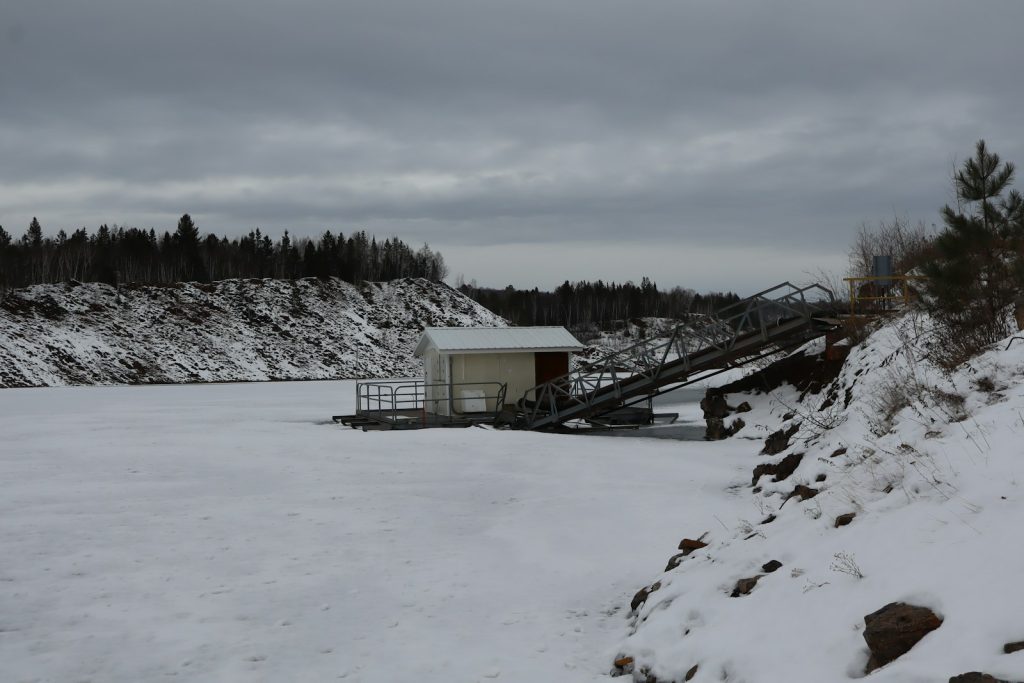
The trigger was two fatal incidents at Suncor in the Canadian province of Alberta. In January 2021, a contractor drowned after ice gave way on a frozen tailings pond at Suncor’s Base Mine near Fort McMurray; Suncor and the contractor involved pleaded guilty to a violation of Alberta’s Occupational Health and Safety (OHS) Act. In 2026, a worker died at Suncor’s Fort Hills site when the mulcher they were operating sank into muskeg. According to Lefsrud, muskeg can swallow whole pieces of equipment, depending on its depth. Ice on tailings ponds is also unpredictable, since contaminants affect how it freezes, and snow can conceal water or bog underneath, while workers are often alone and outside cellphone range. A 2025 final report backs up the approach: of 822 serious and fatal incidents investigated between 2018 and 2023, sixty percent were linked to work on or near equipment carrying hazardous energy, compared with just eight percent of more than 86,000 inspection questions analyzed. Of 4,662 workers and contractors surveyed, about one in fourteen said they were routinely exposed to water and ice hazards.
Context
The Start Work Check builds on the framework of the International Association of Oil & Gas Producers (IOGP), the international umbrella body for oil and gas producers. In 2018, following an extensive data review, IOGP revised its Life-Saving Rules into a simplified set of nine rules meant to help workers protect themselves and their colleagues from fatal incidents. In December 2021, IOGP introduced Start Work Checks as a practical tool for testing those rules on site, right before a task begins, aimed at companies already using or looking to adopt the Life-Saving Rules.
Relevance for other sectors
Although the check is tailored to Canada’s oil sands and mining sector, the underlying problem is international. Wherever work takes place on or near tailings ponds, frozen surfaces or boggy terrain, similar drowning and sinking risks arise, including in construction, infrastructure and resource extraction in northern climates worldwide. The bowtie-based approach, tied to the broader IOGP framework, is in principle transferable to any sector with comparable exposure to water, ice or unstable ground.
Source: New Start Work Check targets water, ice and muskeg hazards in mining, November 3, 2026
Also researched: IOGP, Start work checks can help implement Life-Saving Rules