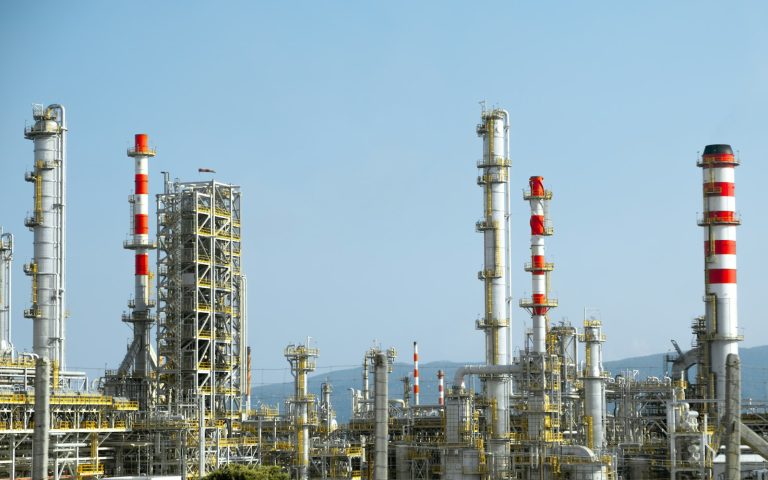
On June 4, 2025, a near-miss occurred at the Shell Polymers facility in Monaca, Pennsylvania, United States, in which flammable cracked gas flowed back into the firebox of ethane cracking Furnace 5 and ignited on the pilot flames. Fifteen workers were evacuated. This is according to the final investigation report by the U.S. Chemical Safety Board (CSB).
What happened?
During plant operations, flammable cracked gas unintentionally flowed back into the firebox of Furnace 5. The gas came into contact with the furnace’s pilot flames and ignited, resulting in an explosion and fire inside the firebox. Personnel immediately evacuated the area; fifteen workers had to leave the facility. Furnace 5’s firebox was severely damaged, and the estimated material damage amounts to $95 million. Approximately 5,100 pounds of ethylene, along with combustion products from the ignited gas, were released during the incident. There were no fatalities and no serious injuries. The furnace was repaired and returned to service approximately seven months later.
Conclusions
According to the CSB, the incident was caused by the unintended simultaneous opening of two motor-operated valves (MOVs) that isolated Furnace 5 from the rest of the process. This created an unintended flow path through which flammable cracked gas could enter the firebox. The investigation points to several contributing factors: an inexperienced process control engineer was involved in the actions that led to the incorrect valve position, the company relied too heavily on eleven administrative controls that proved ineffective, and the control system’s human-machine interface provided insufficient support for timely detection of the error. CSB investigator Owen Trippany emphasized the importance of engineered safeguards over procedural measures: “This incident demonstrates the importance of using engineered safeguards rather than relying solely on procedures.” The CSB thereby underscores that administrative procedures alone provide insufficient protection against human error in complex process facilities.
Recommendations
The CSB makes two recommendations to Shell. First, the company should review its hazard analyses and implement inherently safer designs and engineered safeguards where possible, rather than relying on administrative procedures to prevent valve errors. Second, Shell should implement engineering controls to prevent backflow of cracked gas across all operating modes of the cracking furnaces, drawing on input from technology licensors and recognized industry best practices.
Context
The incident falls under the scope of OSHA’s Process Safety Management standard (29 CFR 1910.119), which sets requirements for managing risks at facilities handling large quantities of hazardous chemicals. Among other things, this standard requires companies to conduct hazard analyses, maintain critical equipment such as valves reliably, and establish clear operational safety procedures. The CSB’s investigation fits within a broader U.S. regulatory framework centered on process safety and valve management at chemical facilities, aimed precisely at preventing incidents like this one.
Source: Chemical Safety Board Releases Final Investigation Report on 2025 Explosion at PA Shell Facility, September 24, 2026
Additionally researched: CSB press release accompanying the final investigation report (csb.gov)