

Mexican workers choose balance over salary
More than half of employees in Mexico would give up a promotion or a pay rise for a better work-life balance, a recent industry survey has found.
More than half of employees in Mexico would give up a promotion or a pay rise for a better work-life balance, a recent industry survey has found.

The EU’s health and safety agency, EU-OSHA, has launched a new online tool that helps companies map office safety and health risks step by step.
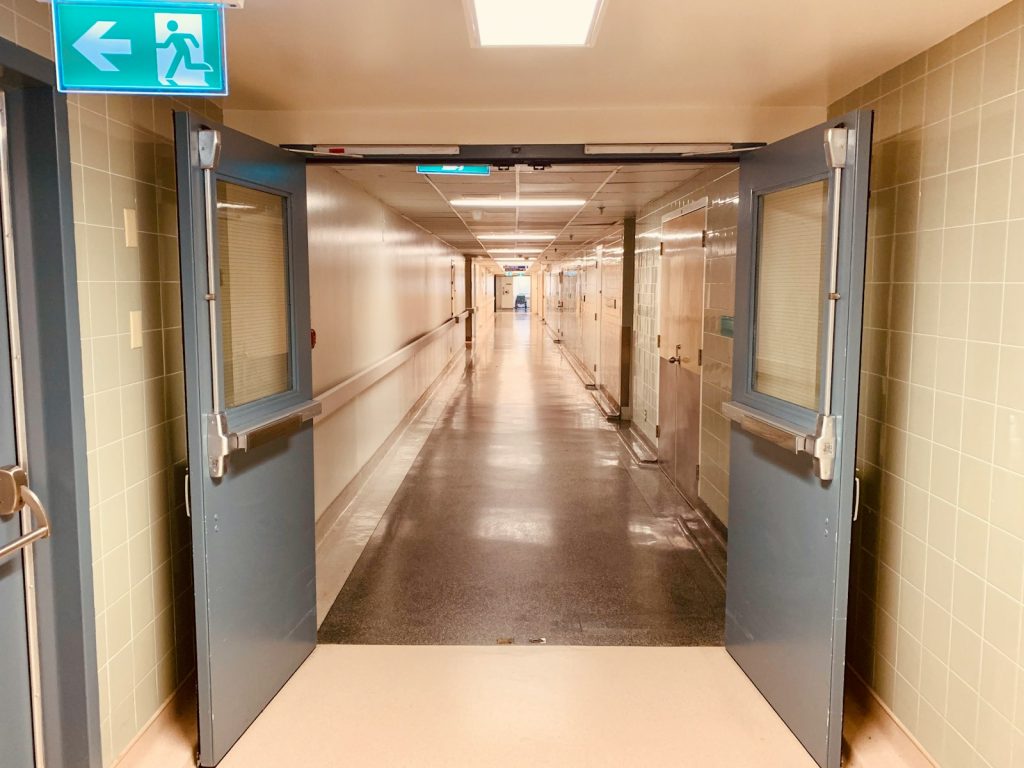
Healthcare workers in Alberta, Canada, filed a record 1,108 violence claims with the WCB in 2025, a 65 percent rise since 2016, figures show.
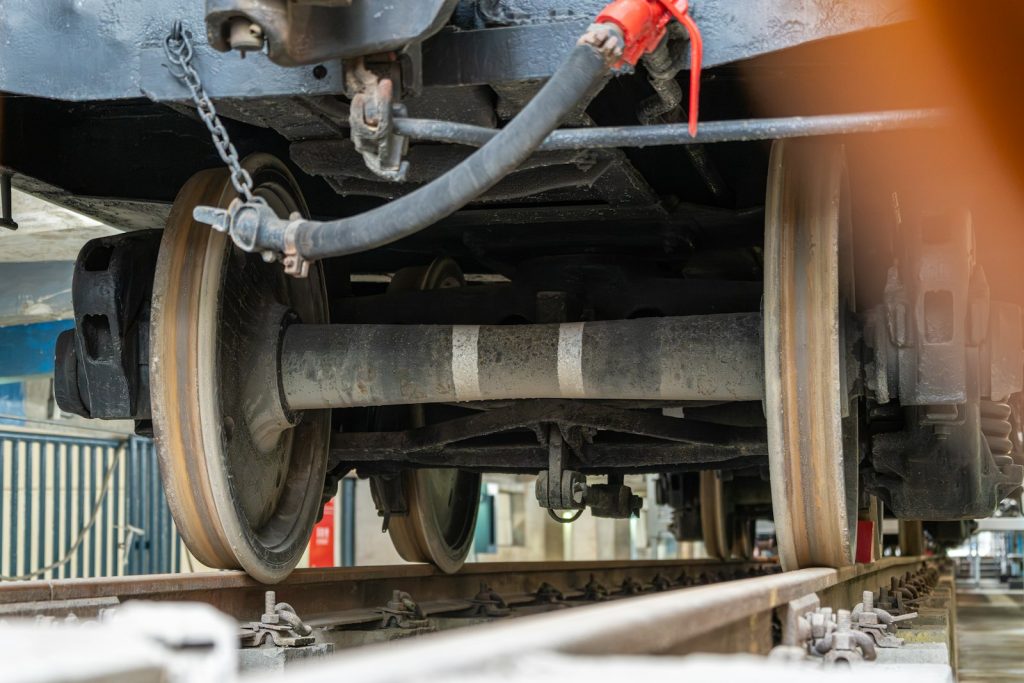
An investigation into a 2023 derailment near Uncas, Alberta, finds Canadian railways could better use existing wheel-load data to prevent wheel failures.
AIHA has launched a 63-hour online learning pathway on preventing workplace noise and hearing loss, aimed at industrial hygienists and HSE professionals.

Tuscany and INAIL are combining accident and health data to target prevention efforts in sectors such as marble quarrying, ports and logistics.

A Spanish study of 804 platform couriers reveals serious psychosocial risks: long shifts, algorithmic penalties and far too little weekly rest.

Wildfires pose a growing risk to industrial facilities in France, but are not yet a mandatory part of companies’ safety and emergency plans.

Germany’s ‘Aachen model’ assesses public-facing workplaces for violence risk and helps employers take concrete measures against workplace aggression.

A new EU-OSHA ESENER tool shows declining employee input on psychosocial risks, as digitalisation increasingly features in workplace consultations.