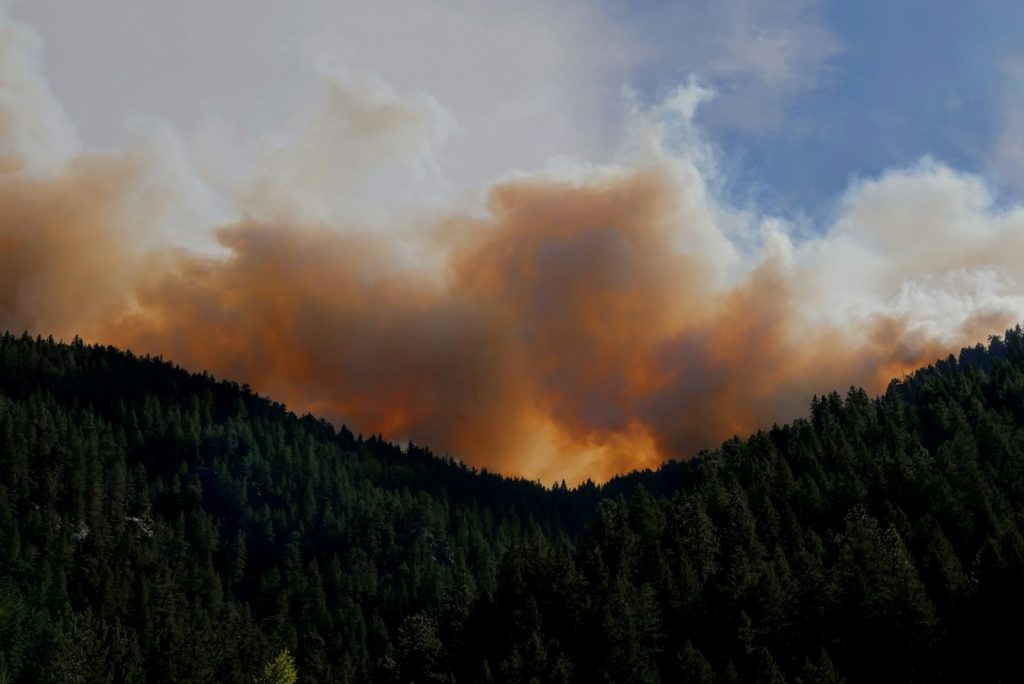
Extreme weather is noticeably changing the work of firefighters, a large-scale survey in Germany shows. On behalf of the Hanseatic Fire Brigade Accident Insurance Fund North (HFUK Nord), the DGUV Akademie surveyed 1,735 firefighters nationwide between March and June 2025, most of them officers in volunteer brigades, on how climate change affects their deployments and safety. Almost half of respondents already report a clear additional burden from extreme weather situations such as heat, flooding and vegetation fires. The results were published in the study ‘Einsatzrealität im Klimawandel’, which appeared in June 2026 in the Zeitschrift für Arbeitswissenschaft.
Longer deployments, more personnel needed
The survey figures are unambiguous about the expected direction. As many as 85 percent of the firefighters surveyed expect climate-related extreme-weather deployments to increase further in the coming years. About 75 percent see a higher time burden and a greater need for personnel, while roughly 73 percent note a growing need for adapted technical equipment. Especially prolonged, heavy deployments such as floods or large vegetation fires require more coordination between units and at the same time increase the psychological burden on the firefighters involved. According to Haufe Arbeitsschutz, accidents during climate-related deployments are also rising, though no exact figure is given for this.
Adapting equipment and training
According to the researchers, heat, heavy personal protective equipment and longer-lasting deployments are increasingly pushing firefighters to their limits. Christian Heinz, managing director of HFUK Nord, stresses that it is therefore important to recognise hazards at an early stage. His colleague Jens-Oliver Mohr, responsible for health prevention at HFUK Nord, points to the need to adapt personal protective equipment to heat exposure. In concrete terms, this means lighter, heat-adapted protective clothing for vegetation-fire fighting and technical rescue, additional personnel and modernised training. In addition, attention is drawn to the importance of proper care on site: enough food and drink, sheltered rest areas and working rotation schemes, so that crews can be relieved on time. Accident insurance funds and municipalities are advised to systematically improve prevention around these deployments.
Context
Internationally, researchers have long pointed to a similar pattern among emergency services. According to the Lancet Countdown, 72 percent of countries worldwide reported an increase in human exposure to wildfires, while the number of homes in wildland-urban interface areas in the United States grew by about 62 percent between 2000 and 2016, from 30.8 to 50 million. A review article in The Lancet Regional Health – Americas (2023) cites a study estimating that firefighters with long fire seasons face a 43 percent higher risk of lung cancer and a 30 percent higher risk of cardiovascular disease over 25 years. The authors also cite workdays of 8 to 13 hours in heavy protective equipment as a factor in heat stress. These findings align with what German firefighters themselves report: more extreme weather makes deployments longer, heavier and riskier.
Source: Neue Herausforderungen für Feuerwehrkräfte durch Extremwetter, 28 October 2026
Additionally consulted: Vegetationsbrände: Hitze und lange Einsätze belasten Feuerwehrleute (DGUV), Face-to-face with scorching wildfire (The Lancet Regional Health – Americas, 2023)