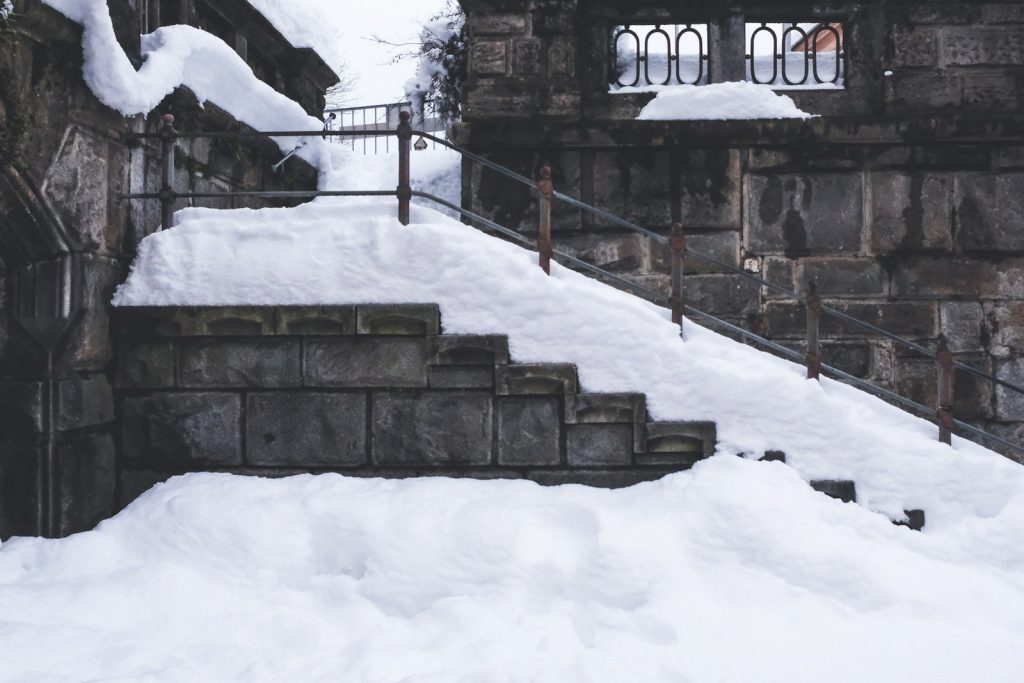
WorkSafeBC, the workplace safety regulator of British Columbia, Canada, reports that injuries from slips, trips and falls on the job increase by 37 percent between November and March. The regulator announced this on 12 November 2026 and is calling on employers and workers to take action now against fall risks during the winter period.
Nearly 7,000 claims a year, services sector hit hardest
Slips, trips and falls on the same level lead to nearly 7,000 accepted WorkSafeBC claims in British Columbia every year, about 12 percent of all accepted claims in the province. These injuries cause an average of 500,000 lost workdays and more than CA$200 million (Canadian dollars) in annual claim costs. Between 2021 and 2025, 11 workers in British Columbia died from falls on the same level.
The services sector accounts for more than half of all accepted slip, trip and fall claims between 2021 and 2025, followed by construction and trades, transportation and warehousing, and manufacturing. Common causes include wet or uneven floors, poor housekeeping, insufficient lighting and obstacles in walkways; consequences range from sprains and fractures to concussions, with possible time off ranging from weeks to months. WorkSafeBC advises employers to develop a risk management plan following the hierarchy of controls, with regular inspections, prompt clean-up, cords and hoses kept out of walkways, fixed storage areas and suitable footwear, and calls for early involvement of workers and occupational health and safety committees and regular review of the plan, including when weather conditions change.
Workplace falls: British Columbia alongside Great Britain
In Great Britain (England, Scotland and Wales, United Kingdom) falls are also a major cause of workplace injury. According to the regulator Health and Safety Executive (HSE), slips, trips and falls on the same level account for 30 percent of all non-fatal employee injuries reported in 2024/25 under the UK’s RIDDOR reporting requirement. That percentage cannot be compared one-to-one with British Columbia’s 12 percent: the British figure is a share within employer-reported injuries, while WorkSafeBC’s figure is a share within all accepted compensation claims. Both percentages therefore have a different denominator and do not mean the risk is higher in Great Britain. HSE itself also notes that employers report an estimated only about half of reportable non-fatal injuries, and that railways, offshore sites and nuclear sites fall outside these figures. The 2024/25 figures are the most recent edition HSE had published at the time of writing; a 2025/26 edition was not yet available.
What does this mean for employers and workers?
These figures mainly affect employers and workers in sectors with a lot of customer contact and outdoor work, such as retail, hospitality, construction and transportation, where floors and access routes become slippery faster in winter. For managers of comparable sites elsewhere, including outside Canada and Great Britain, this is the moment to review their own inspection regime, housekeeping, lighting and available footwear for outdoor work, and to update risk assessments as soon as the weather turns.
Source: Slips, trips, and falls continue to take a significant toll on B.C. workplaces, 2026-11-12
Additional research: HSE figures on slips, trips and falls and HSE overview of annual statistics.