The U.S. Department of Labor (DOL) has published new guidance, through workplace safety watchdog OSHA, to help employers and workers prepare for opioid overdoses in the workplace. The fact sheet, titled “Opioid Overdose Rescue with Reversal Medications,” was announced on September 24, 2026, and is part of the Great American Recovery Initiative, a government-wide program for addiction treatment and recovery.
What does the guidance say?
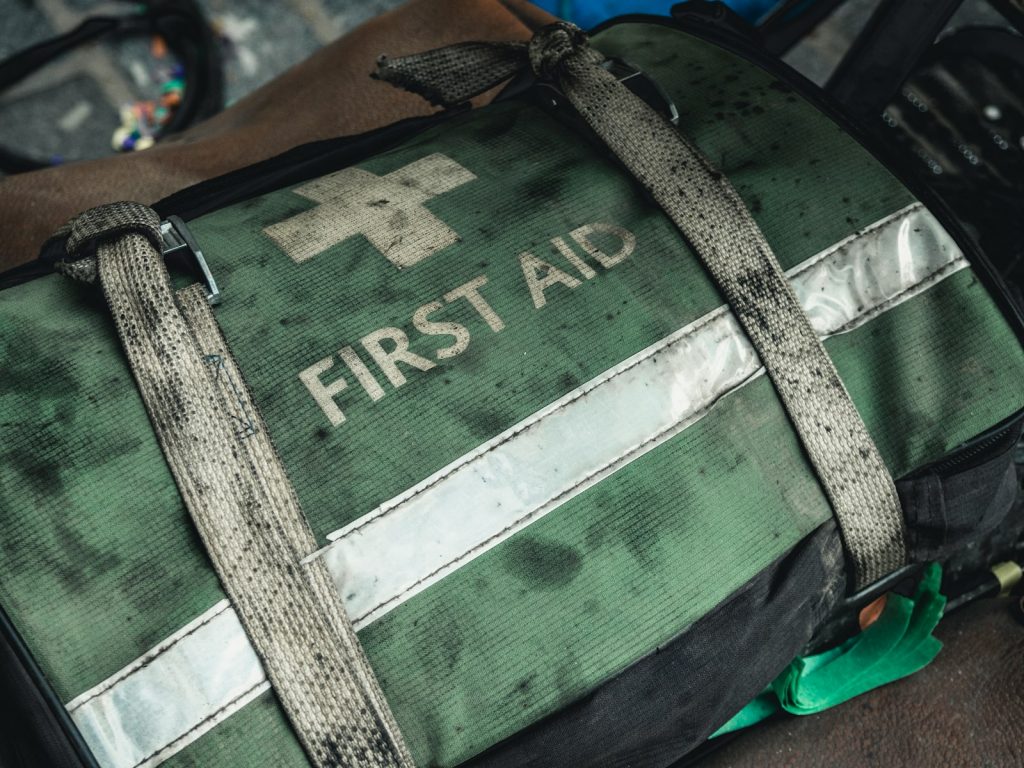
The core of the advice is that workplaces should keep life-saving, FDA-approved reversal medications such as naloxone or nalmefene on hand, just like first-aid kits and automated external defibrillators (AEDs). OSHA recommends storing these medications in visible, easily accessible locations. Workers should also learn to recognize the signs of an overdose: slow or stopped breathing, blue lips or skin, pinpoint pupils, and unresponsiveness. The guidance further emphasizes that workplace responders should always call emergency services immediately, since the effects of reversal medications are temporary and professional medical care remains essential. According to OSHA, these safe medications quickly restore normal breathing and generally have no effect if opioids are not involved. This is a fact sheet with recommendations, not a new legal standard.
What should employers do?
Employers are advised to treat overdose kits the same way as first-aid supplies and AEDs: acquire reversal medications and place them visibly, train staff to recognize overdose symptoms and administer the medication, and provide instruction on safe positioning and supportive care for an affected colleague while awaiting emergency responders. OSHA points out that opioid emergencies can happen anywhere, including at work, so the guidance is not limited to specific industries. Acting Secretary of Labor Keith Sonderling framed the initiative within a broader labor market strategy, saying recovery should help more people return to work so that businesses have the employees they need. Sara Carter, the White House drug policy coordinator, emphasized that fentanyl has become widespread in the illegal drug trade, making it crucial, in her view, that workers are able to recognize and reverse an overdose. For employers, it makes sense to incorporate recognition and response into existing first-aid and emergency-response training, so the knowledge doesn’t rest on a single one-time briefing.
Context
Earlier research by the U.S. National Institute for Occupational Safety and Health (NIOSH, part of the CDC) shows the scale of the problem: between 2011 and 2016, fatal overdoses rose by 24 percent annually, and in 2017 more than 70,000 people died of overdoses in the US, nearly 70 percent of them involving opioids. Sectors such as construction, mining, transportation, and healthcare face elevated risk. In Massachusetts, the opioid-related death rate among construction and extraction workers in 2011-2015 was six times higher than the average for all workers in the state. The opioid crisis, fueled by the extremely potent fentanyl, is concentrated mainly in North America, and the guidance applies only to the US. The underlying approach — keeping reversal medication on hand, training staff to recognize and respond, and clear protocols for calling in professional help — can nonetheless serve as a model elsewhere for emergency response planning around drug-related workplace incidents.
Source: DOL Releases New Workplace Guidance to Prepare Employers, Workers for Opioid Emergencies, September 30, 2026