
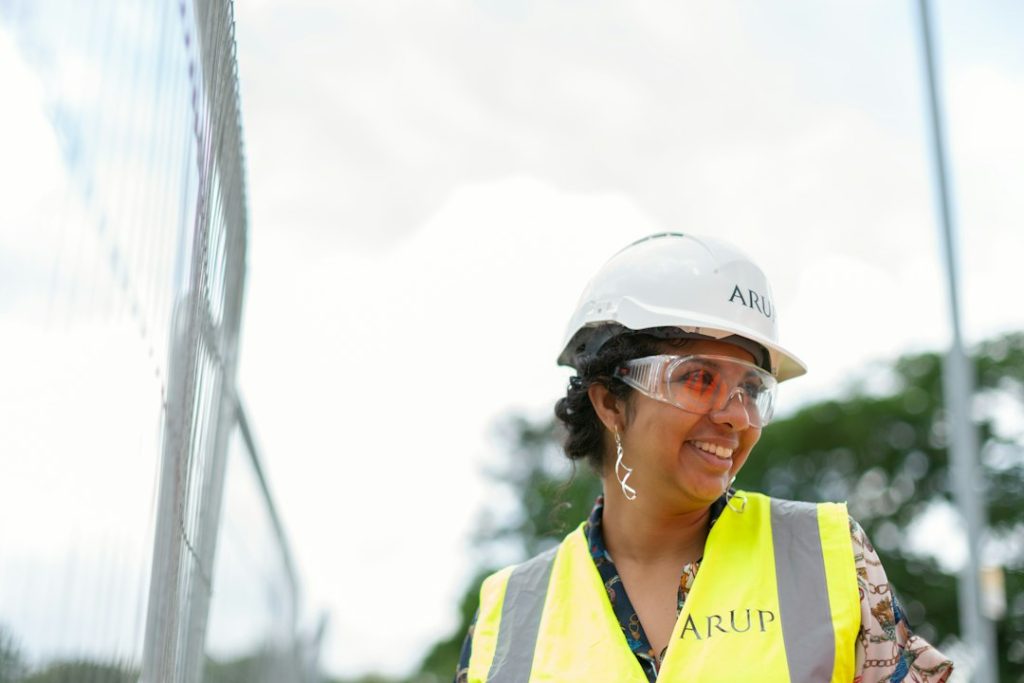
Spain’s National Institute for Safety and Health at Work (INSST) published, on 15 September 2026, the findings of a literature review examining the occupational risks that disproportionately affect women working on construction sites. The narrative review was carried out during 2025-2026 and falls under Objective 5 of Spain’s Occupational Safety and Health Strategy 2023-2027 (Estrategia Española de Seguridad y Salud 2023-2027), based in Madrid, Spain.
Five risk categories on the construction site
The researchers grouped their findings into five main categories. First, there are barriers to the recruitment and retention of female staff in the construction sector. Second, the study points to gaps in prevention policy, such as insufficiently targeted training and inadequate sanitary facilities on site. Third, it identifies concrete safety risks linked to personal protective equipment (PPE) and workwear that is not designed for female body proportions, which can compromise the effectiveness of protection. In addition, the study flags psychosocial risks, including sexual harassment, difficulties balancing work and personal life, and workplace discrimination. Finally, the report highlights horizontal labour market segregation within construction, with women remaining underrepresented and often confined to specific, frequently less visible, roles.
Why this matters for EHS professionals
The construction sector is known for physically demanding and hazardous working conditions, yet safety policies and equipment have historically been designed with male workers as the default. The INSST study underscores that generic risk assessments and standard-issue PPE may fail to adequately protect female employees, resulting in heightened exposure to both physical and psychosocial hazards. For safety coordinators and prevention officers, this is a signal to review PPE policy, sanitary facilities and training programmes for gender inclusiveness, and to strengthen reporting procedures for harassment and discrimination.
Links to existing regulation
The INSST report explicitly connects its findings to existing Spanish equality and occupational health legislation, describing how these rules apply to this vulnerable occupational group. The study thus offers employers and regulators a starting point for reviewing construction-sector prevention policy through a gender lens, in line with the broader European focus on equal working conditions in physically demanding sectors.
Source: Conclusiones de la literatura científica sobre los riesgos que más afectan a las trabajadoras a pie de obra, September 15, 2026


