The French government has significantly expanded its protocol for detecting naturally occurring asbestos in alluvial quarries (gravel extraction from riverbeds). An instruction dated 3 August 2026, addressed to the prefects of the departments concerned, extends the mandatory characterization requirement from 16 to 226 quarries. Sixty of these sites are classified as priority and must be assessed by August 2027 at the latest.
Why naturally occurring asbestos is a hazard
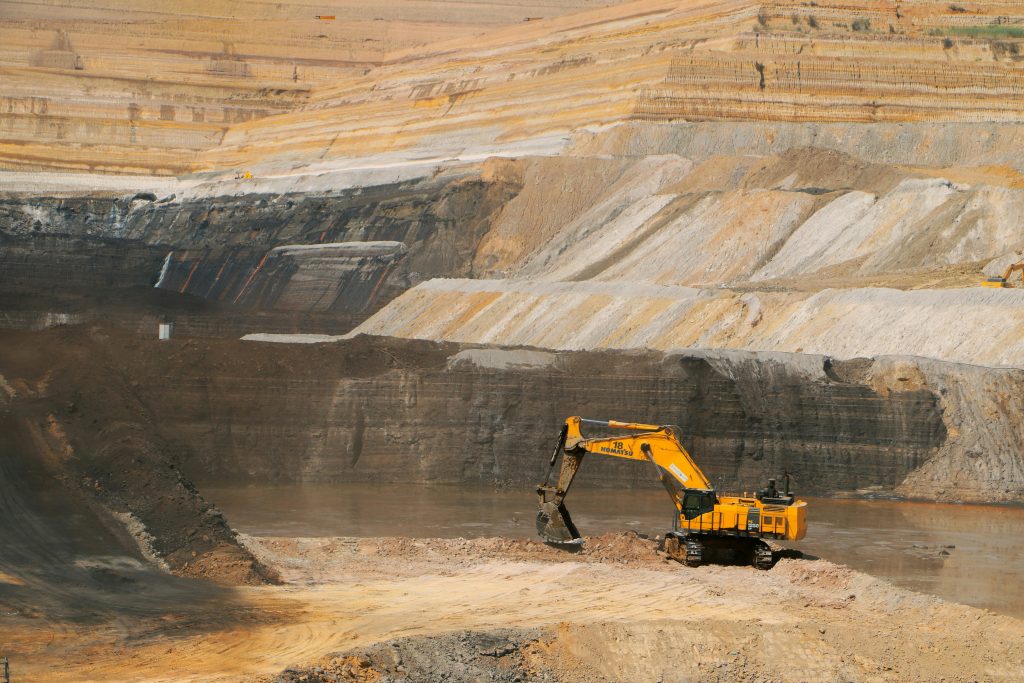
Naturally occurring asbestos can be present in certain rock types, such as serpentinite and ophiolite formations, and travels downstream embedded in sediments that settle in riverbed gravel deposits. Gravel extraction from such riverbeds can therefore contain asbestos fibres without this being visible at the surface. When the material is excavated, crushed or screened, fibres can become airborne; prolonged inhalation of asbestos fibres is a recognised cause of asbestosis, lung cancer and mesothelioma, with a latency period that often spans decades.
From 16 to 226 quarries
The case dates back to an earlier instruction of 22 July 2024, drawn up jointly by the French directorates-general for risk prevention (DGPR), labour (DGT), health (DGS), and competition and fraud control (DGCCRF). In it, the French geological survey BRGM identified 23 alluvial quarries, spread across 15 departments in five regions of France (Corsica, Provence-Alpes-Côte d’Azur, Auvergne-Rhône-Alpes, Nouvelle-Aquitaine and Occitanie), as potentially containing asbestos. Sixteen of these (category 1) had, at the time, a confirmed presence of asbestos based on accredited analyses; for seven others (category 2), the presence of asbestos could not be ruled out. The August 2026 instruction thus expands the scope of that earlier assessment tenfold, to 226 quarries.
Protocol and agencies involved
The characterization protocol, developed by BRGM, includes testing for all six regulated asbestos varieties and analysis of the sedimentary layers (sand, silt) in which the mineral may occur. Samples must be analyzed by laboratories accredited under the French ministerial decree of 1 October 2019. The same four directorates-general as in 2024 — DGPR, DGT, DGS and DGCCRF — are overseeing implementation, with the prefects acting as the operational link to site operators.
Consequences for operators
The results of the characterization will determine what monitoring and protective measures operators must put in place for workers, nearby residents, the environment and consumers of the extracted aggregates. For the 60 priority quarries, August 2027 is the deadline; for the remaining sites, the process continues. Depending on the findings, this could result in a temporary suspension of extraction activities.
This is relevant for EHS professionals because the expansion shows how a risk initially considered limited and local — naturally occurring asbestos in mineral deposits — can grow, through systematic geological investigation, into a sector-wide issue for the construction and raw materials supply chain. Companies that source aggregates from alluvial quarries, or operate such quarries themselves, would do well to check whether their suppliers fall under the expanded list and what monitoring obligations follow from it.
Source: Amiante : le dispositif de prévention étendu de 16 à 226 carrières alluvionnaires, 11 September 2026, https://actuel-hse.fr/content/amiante-le-dispositif-de-prevention-etendu-de-16-226-carrieres-alluvionnaires
Additional research: Bulletin Officiel du ministère de la Transition écologique (notice of the instruction dated 3 August 2026), Portail documentation développement durable (DGPR/DGT/DGS/DGCCRF instruction of 22 July 2024), ecologie.gouv.fr (press release “Présence d’amiante dans 16 carrières françaises”)