In the US state of West Virginia, the United Mine Workers of America union and 52 miners filed an emergency petition with the West Virginia Supreme Court on 29 October 2026. They want the court to force the West Virginia Board of Coal Mine Health and Safety to set its own exposure limit for silica dust in coal mines. The story was reported by the US news outlet West Virginia Watch; the trade publication ISHN picked it up.
Miners have fought for tougher dust rules for decades
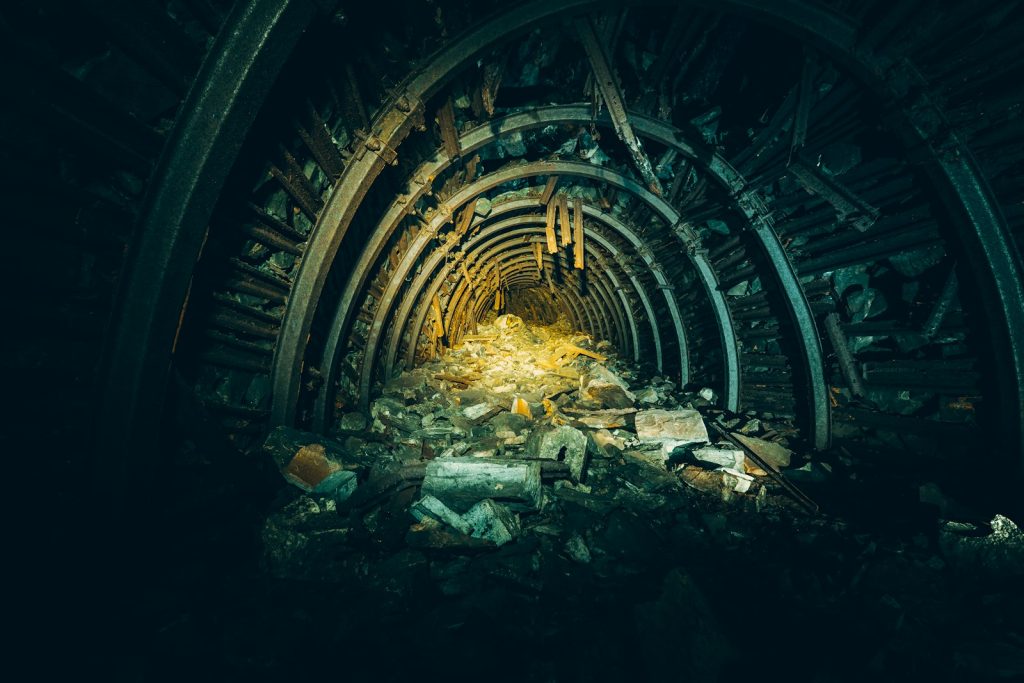
Attorney Sam Petsonk, who represents the petitioners, argues that silica rules should have existed since the 1980s and that industry delayed them for years. According to West Virginia Watch, cases of black lung, the dust-lung disease among miners, are now as common as they were in the 1970s. The petition describes miners, some still in their thirties, developing pneumoconiosis. It attributes this to mining thin coal seams, which requires cutting through relatively more silica-bearing sandstone. The petition also points to a 1990s tax break that lowers the cost of mining such thin seams, creating a financial incentive to keep mining them. Thomas Clark, the administrator of the board being sued, did not respond to requests for comment. A spokesman for the Supreme Court, Jared Hunt, confirmed the case has been docketed but said it will likely not be heard until next year.
Why the petitioners are not waiting on Washington: the stalled federal silica rule
The West Virginia lawsuit unfolds against the backdrop of a stalled federal rule. The US Mine Safety and Health Administration (MSHA) set a nationwide exposure limit for respirable crystalline silica dust in 2024: it would halve the permissible exposure limit from 100 to 50 micrograms per cubic meter of air, with an action level of 25 micrograms per cubic meter. Coal mines were required to comply with the new standard from 14 April 2025, metal and nonmetal mines from 8 April 2026. Little came of those deadlines: MSHA itself first temporarily suspended enforcement for coal mines in 2025, after which the federal Eighth Circuit Court of Appeals, where mining industry groups are challenging the rule, stayed the compliance deadlines. On 6 April 2026, MSHA announced that the effective date of the rule’s remaining provisions is delayed indefinitely, pending that judicial review. Attorney Petsonk sees the West Virginia lawsuit as a way to get the process moving again. He points to earlier cases in which a state introduced new standards first and MSHA later followed.
What does this mean in practice?
For mining companies and regulators outside West Virginia, this case shows that a stalled federal rule does not automatically mean silica dust exposure limits disappear from the agenda: individual states or courts can take the initiative instead. For HSE managers in mining and related sectors working with quartz-bearing rock, it makes sense to keep measuring exposure and controlling dust against the previously set federal standard of 50 micrograms per cubic meter, even while its enforcement remains suspended.
Source: Miners and Union File Suit Over Silica Dust Regulation in West Virginia, 11-11-2026
Additional research: MSHA silica final rule (Federal Register, 2024) and MSHA delay notice (Federal Register, April 2026).