Just two minutes of exercise a day can reduce physical pain. That is one of the key findings from twenty years of research by professor Lars Louis Andersen of the Danish National Research Centre for the Working Environment (NFA), who has been searching since 2005 for ways to keep workers healthy for longer.
From lifting to training
When Andersen joined NFA in 2005, research into the working environment focused mainly on ergonomics: how to lift correctly, how to sit correctly, in order to prevent pain. Since then, he says, the focus has shifted: researchers now also look at how work can make people stronger and healthier, rather than simply limiting harm.
An earlier study by Andersen showed that three times twenty minutes of exercise a week during working hours was effective in reducing bodily pain. Later measurements went a step further: just two minutes of exercise a day also proved able to reduce pain complaints.
Short exercises, quick effect
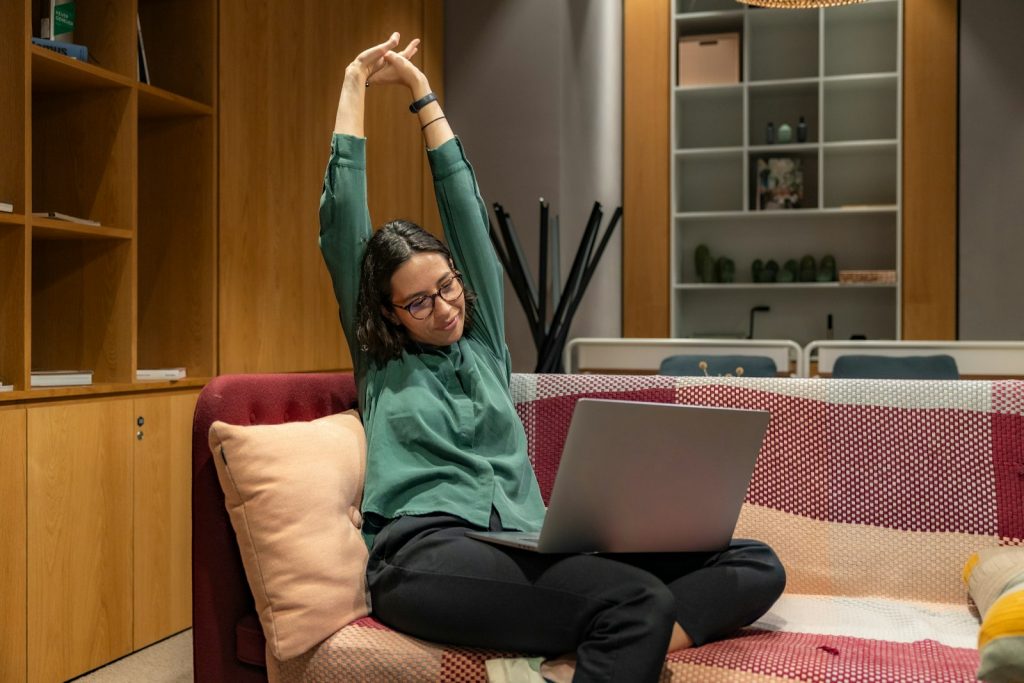
A central concept in Andersen’s work is so-called ‘småøvelser’: short, active breaks involving, for example, resistance-band exercises that employees can do at the workplace. According to him, such exercises can help prevent and reduce pain and sickness absence within just a few minutes. An earlier NFA report from 2022, which the article links to, mentions a possible drop in long-term sickness absence of 13 percent; the article does not state how that study was designed. According to another NFA report, from February 2025, roughly one in four Danes are already offered short movement activities at work.
Besides preventing pain among today’s workforce, Andersen is also looking, through the SeniorArbejdsLiv project, at what enables older workers to keep working for longer. Flexibility and a working environment suited to what someone can manage at a given stage of life turn out to matter here — and what is feasible varies greatly by occupation.
Context
Andersen’s findings align with international figures from the World Health Organization (WHO), which reported in 2024 that 31 percent of adults worldwide, around 1.8 billion people, are insufficiently physically active — a rise of five percentage points between 2010 and 2022. The WHO links a lot of sitting to a higher risk of premature death, cardiovascular disease, cancer and type 2 diabetes, and explicitly names the workplace as a setting where more movement can be encouraged. A Japanese study of almost five hundred office workers in Tokyo, published in 2025, found that after a year, participants who took short active breaks had just over 24 minutes less sitting time during working hours. The researchers note that, due to limitations in the design, the effect cannot be attributed to the intervention with certainty.
Artificial intelligence, too, affects the field Andersen studies. AI can take over tasks but can also be a tool, and it influences both the physical and the psychological working environment — a reason to keep tracking its effects.
Source: Two decades searching for the recipe for a long and healthy working life, 3 November 2026
Also researched: WHO fact sheet on physical activity; Japanese study on short active breaks (Scandinavian Journal of Work, Environment & Health, 2025)