Mexico is revising NOM-032-STPS-2008, the federal safety standard for underground coal mines. The Secretaría del Trabajo y Previsión Social (STPS), Mexico’s Ministry of Labour, aims to better prevent explosions, fires, hazardous atmospheres and ventilation problems in underground mining.
What is changing in the standard?
The draft, known as PROY-NOM-032-STPS-2026, introduces stricter ventilation requirements: secondary fans must be located on the surface, be grounded and have an emergency power supply, while the mine’s power supply must shut down automatically once methane levels of 1.5 percent or more are measured at the main fan’s exhaust. Fixed gas monitors must continuously measure carbon monoxide, oxygen, methane, carbon dioxide and hydrogen sulphide and transmit the data in real time to an external control post, with at least six months of backup. Rescue brigade members, supervisors and prevention officers, among others, will be issued individual multi-gas detectors. Stricter rules also apply to explosives, with a maximum methane concentration of 0.5 percent at the blasting face before detonation is allowed. Mines must additionally have emergency refuge chambers stocked with breathable air, drinking water and emergency food for at least 96 hours and an oxygen self-rescuer per worker, as well as at least two fully independent alarm systems.
Why is this necessary?
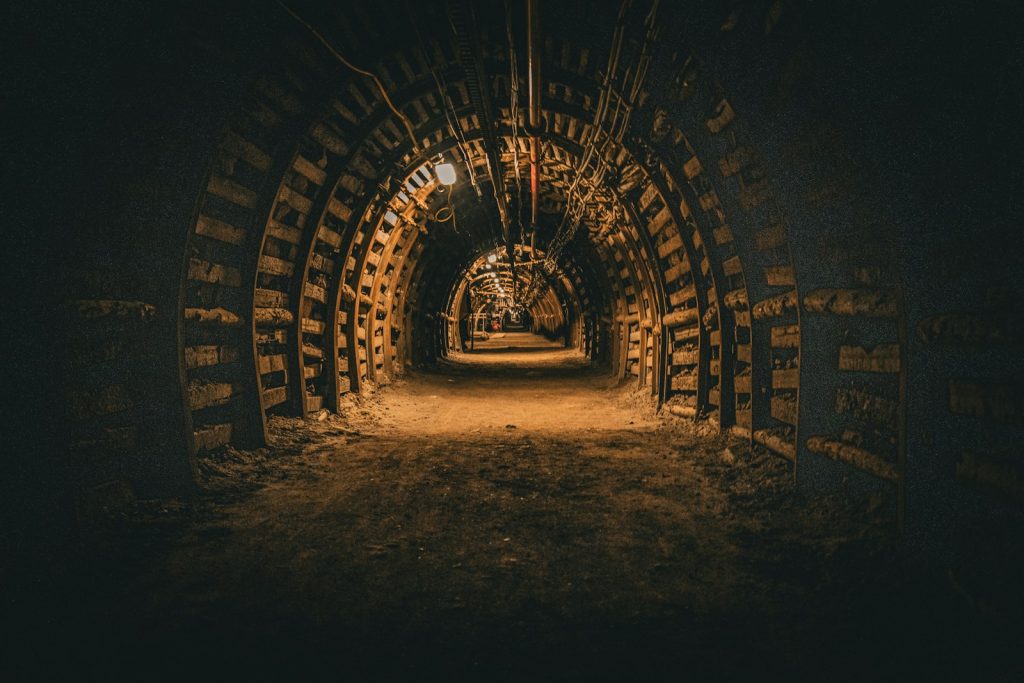
According to Prevencionar México, underground coal mining is among the sectors with the highest occupational risk. Flammable gas, combustible dust, limited escape routes and heavy machinery make explosions, fires and collapses persistent hazards. Safety in underground mining, the trade publication notes, requires acting before an accident occurs, by combining continuous monitoring of ambient conditions with training, maintenance and emergency procedures.
How is the process unfolding?
The Comité Consultivo Nacional de Normalización de Seguridad y Salud en el Trabajo (National Advisory Committee for Occupational Health and Safety Standardization) approved the draft on 18 February 2026. Committee chairman Omar Nacib Estefan Fuentes signed the draft on 13 March 2026 for publication in the Diario Oficial de la Federación (Mexico’s Official Gazette), after which a sixty-calendar-day public consultation period applied. The standard’s final content has not yet been settled; it depends on how the comments received are processed. According to Prevencionar México, the update was still ongoing as of October 2026.
Context
The revision comes twenty years after the disaster at the Pasta de Conchos coal mine in the Mexican state of Coahuila, where an explosion on 19 February 2006 killed 65 miners; the remains of 38 of them have still not been recovered. In December 2025, Mexico also published the decree by which the Senate approved ILO Convention 176 on safety and health in mines, which the draft standard itself references. Strict rules apply elsewhere too: in the United States, the federal mine safety regulator MSHA has required refuge chambers in underground coal mines since late 2008.
Source: México refuerza la seguridad en las minas subterráneas de carbón: avanza la actualización de la NOM-032, 9 October 2026
Also researched: draft standard PROY-NOM-032-STPS-2026 (PLATIICA/STPS), “México obligará a mineras de carbón a instalar sistemas de seguridad” (grupoanimal.mx, 5 March 2026)