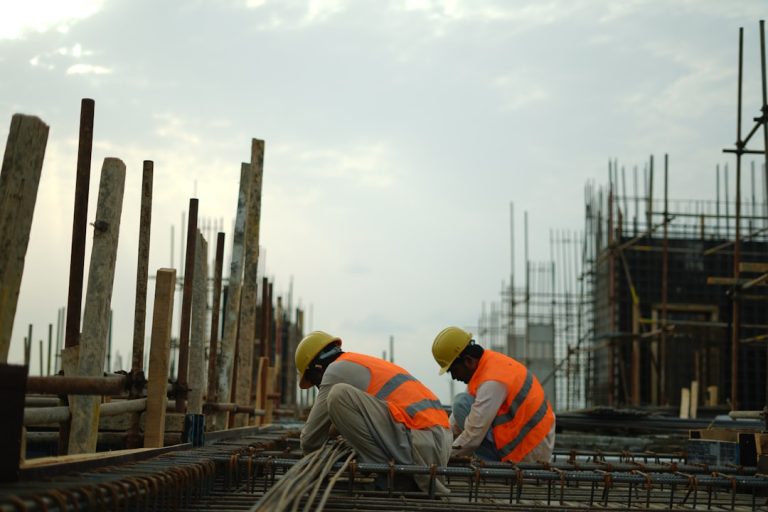
The French Agence nationale de sécurité sanitaire de l’alimentation, de l’environnement et du travail (Anses), the national agency for food, environmental and occupational health and safety in France, has published a report on the health effects of atypical working hours. This category includes long shifts, staggered working hours and structural weekend work. According to Anses, this type of scheduling affects a majority of the working population, and the subject therefore deserves broader attention from employers and regulators.
The report identifies three health domains in which atypical working hours have a demonstrable impact: employees’ sleep quality, mental health and cardiovascular risk. Disrupted or insufficient sleep caused by irregular or staggered shifts can, over time, contribute to fatigue-related complaints and an increased likelihood of errors and accidents in the workplace. In addition, Anses points to associations between this type of scheduling and greater strain on the cardiovascular system, as well as negative effects on employees’ psychological wellbeing.
Based on these findings, Anses recommends limiting the regular use of atypical working hours to situations where it is genuinely necessary, for example for business continuity or services that cannot be interrupted. The agency is thereby calling for a more restrained and considered approach to scheduling policy, rather than the routine deployment of long or staggered shifts and weekend work as a standard part of business operations.
For EHS professionals, this recommendation is relevant because scheduling policy directly touches on core themes of occupational health and safety management: fatigue risk management, psychosocial workload and the prevention of cardiovascular disease. Employers who make structural use of atypical working hours would do well to assess their scheduling practices against actual operational necessity, and to consider alternatives where possible, such as more predictable shifts, adequate recovery time between shifts, and targeted monitoring of sleep and health complaints among employees working variable or long shifts. For regulators and occupational physicians, the report offers a basis for factoring atypical working hours more explicitly into risk assessments and health surveillance programmes, given the size of the working population affected.
The report does not contain quantitative data on the precise scale of the risks or on specific sectors; it primarily outlines the main lines of the health effects and the recommendation for restraint. For detailed implementation guidance, Anses refers to the full report.
Source: L’Anses recommande de limiter le recours aux horaires atypiques, 3 September 2026, https://actuel-hse.fr/content/lanses-recommande-de-limiter-le-recours-aux-horaires-atypiques