

Spain names priority sectors for accident prevention
Spain’s INSST has ranked economic sectors by accident risk for 2025, identifying construction, agriculture and transport as priorities for prevention.
Spain’s INSST has ranked economic sectors by accident risk for 2025, identifying construction, agriculture and transport as priorities for prevention.

Germany’s Federal Social Court ruled that an employee who missed his turn due to hypoglycemia remained covered by statutory accident insurance.

A German court (Sozialgericht München) ruled that an employee who tore her meniscus slipping on spilled massage oil is not covered by accident insurance.

OSHA has formed a new alliance with AIHA, ASSP, NSC and CSRA to help employers identify high-risk hazards and prevent serious injuries and fatalities.
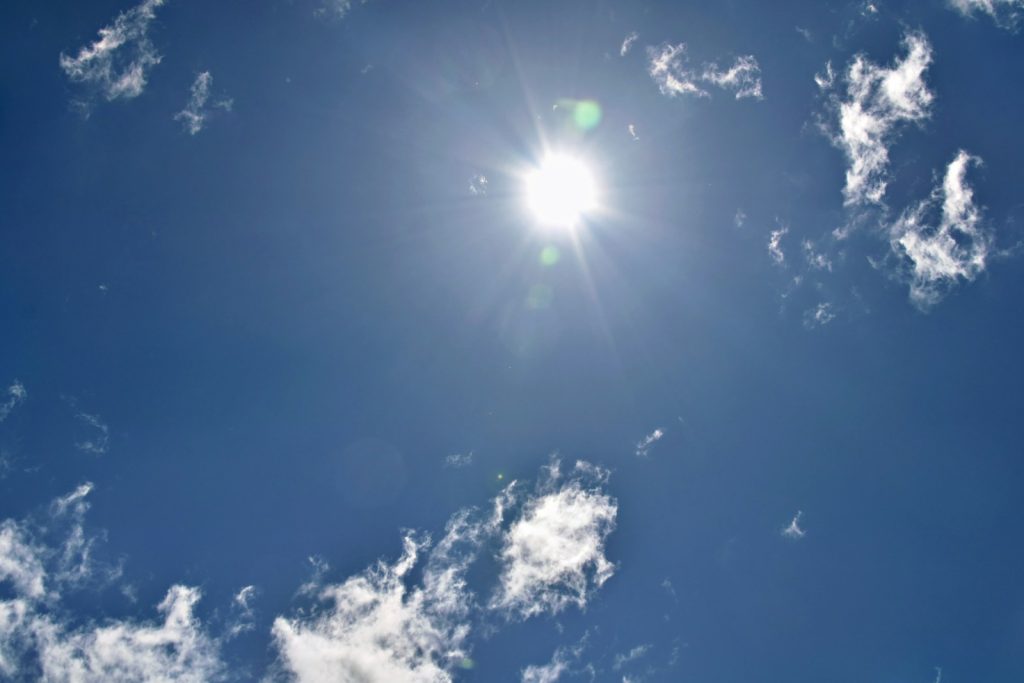
The European Trade Union Confederation urges the EU to adopt binding rules on workplace heat risks, including WBGT-based assessments and limits.
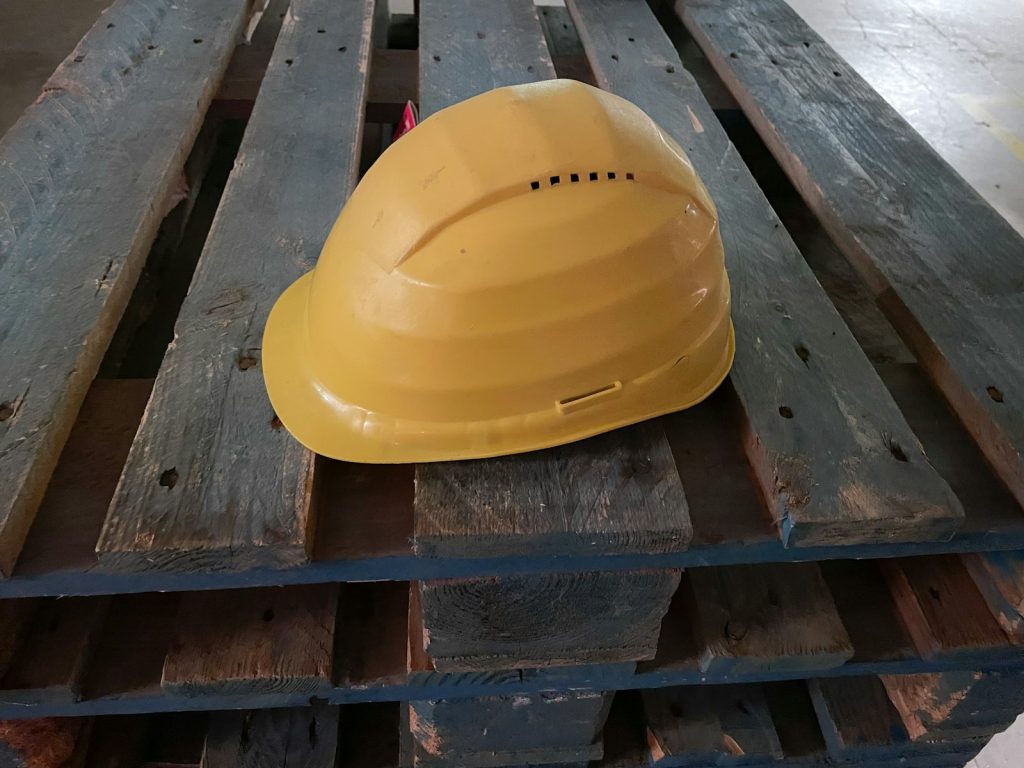
Italian case law clarifies when workwear legally qualifies as personal protective equipment (PPE), with implications for employers across the EU.

Sick leave at Belgian employers fell by 6.7 percent in the first half of 2026, continuing a decline in absenteeism that began in 2025, Securex reports.

Two German court rulings show that employers must act on signs of workplace mobbing, but not every conflict automatically counts as mobbing in law.
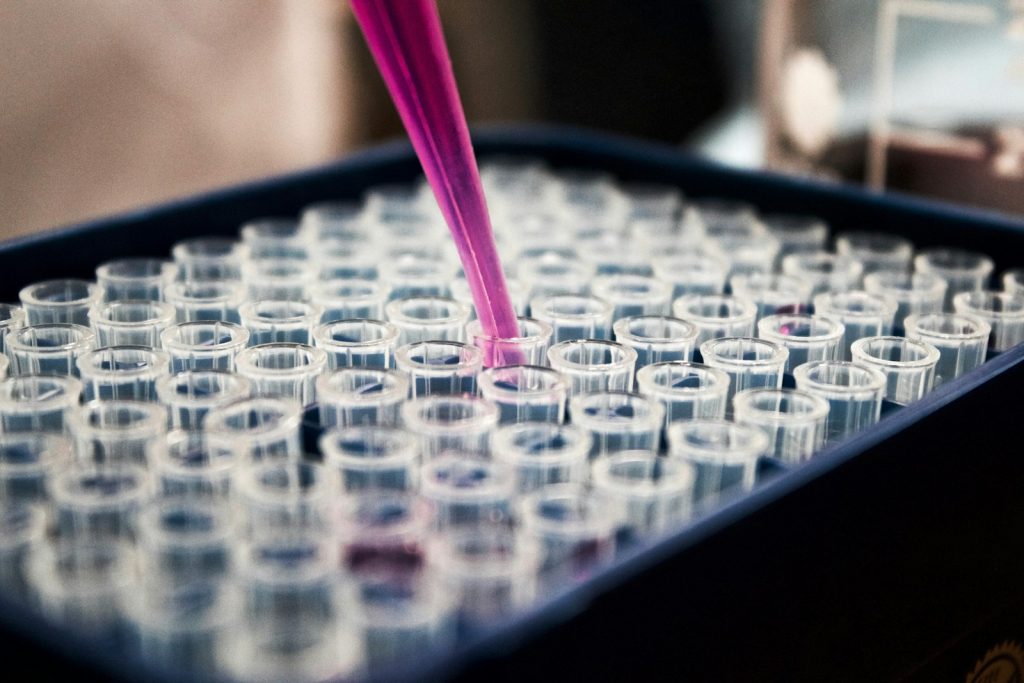
A VU Amsterdam study found the PFAS breakdown chemical TFA in the blood of all 110 participants, at levels far exceeding four well-known PFAS types.
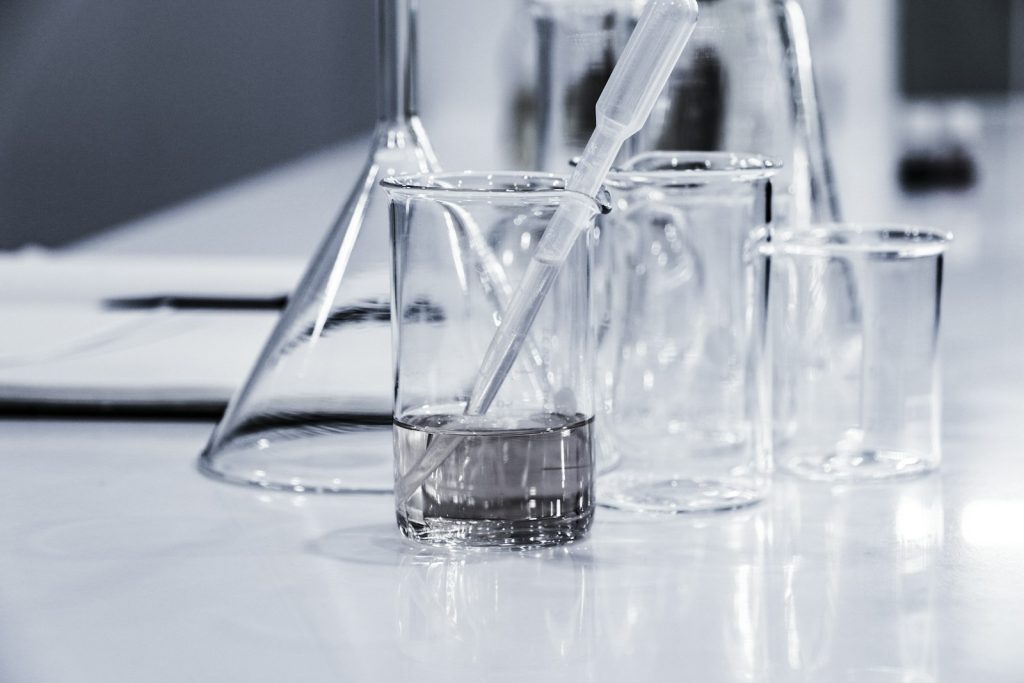
The European Parliament has approved CMRD 6, adding new EU occupational exposure limits for cobalt, PAHs, 1,4-dioxane and welding fumes in workplaces.