
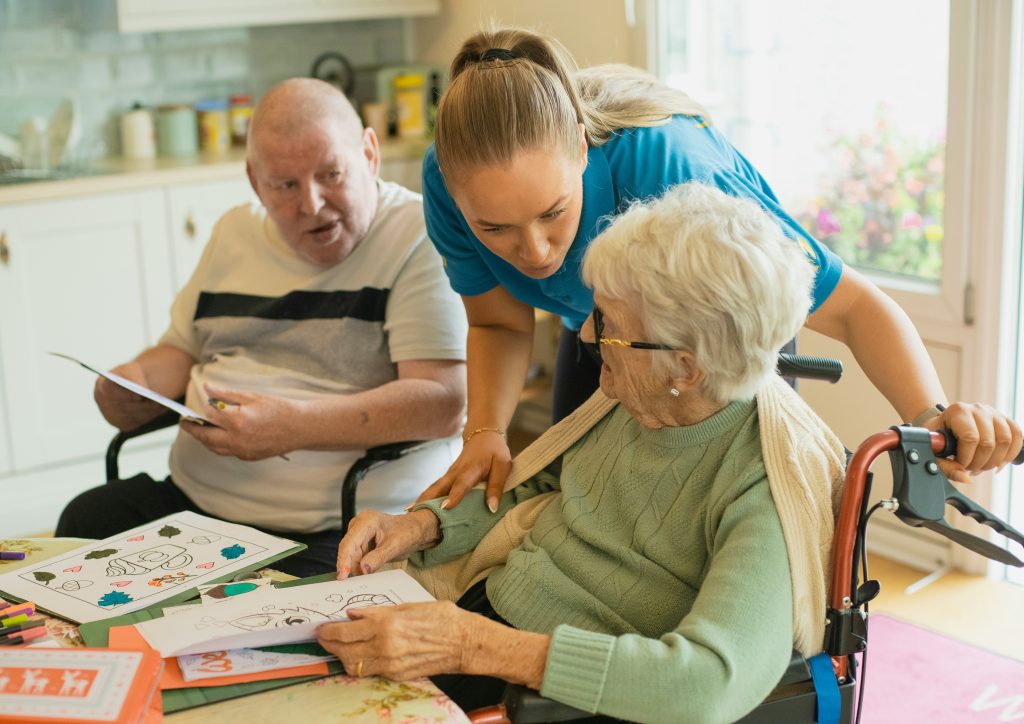
Spain’s National Institute for Occupational Safety and Health (INSST) has published a synthesis of scientific evidence on ergonomic and psychosocial risk factors among home care service (servicio de ayuda a domicilio) workers. The document, published on 15 September 2026, reports a high frequency of musculoskeletal disorders, particularly in the lower back, neck and upper limbs.
Physical strain without proper equipment
According to the literature review, home care workers are structurally exposed to manual handling and mobilisation of clients, sustained or forced postures, and a lack of technical aids such as lifting or transfer equipment. Organisational factors, such as workload and scheduling, also contribute to the risk, INSST notes.
An overlooked area of work
Home care differs from institutional care settings: workers often work alone, in clients’ homes, without colleagues to assist with lifting and without the equipment that is standard in an institutional setting. The document was published as part of Spain’s national occupational safety and health strategy for 2023-2027.
Relevance for EHS professionals
As populations age, the home care sector is growing worldwide. This synthesis is therefore relevant to occupational health policy in virtually any country where home care takes on a growing share of long-term care: it underscores the need to apply ergonomic risk assessments and equipment policies to work that takes place outside institutional settings as well.
Source: Síntesis de la evidencia sobre factores de riesgo ergonómico y psicosocial y trastornos musculoesqueléticos en el personal del servicio de ayuda a domicilio, 15 September 2026


