Alberta’s OHS Appeal Body summarily dismissed an appeal by roofing firm Goodwin Roof Inspections & Consulting against a stop work order for fall protection, ruling on 28 October 2026 that the appeal had no reasonable chance of success. The decision (2026 ABOHSAB 20) confirms that employers in Alberta, Canada, cannot rely on roof-inspection exemptions when workers are actually performing other work without guardrails or harnesses.
What did the board decide?
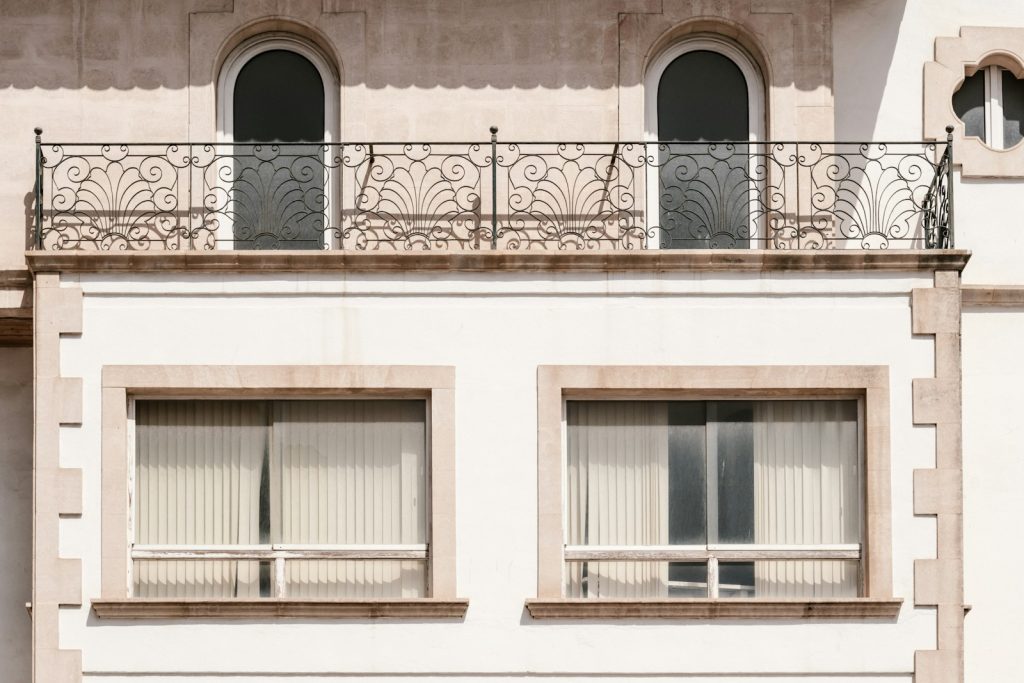
The case stems from an incident on 28 July 2025, when an Alberta Occupational Health and Safety (OHS) officer found two of the company’s workers on a fifth-floor balcony of a construction project. No guardrails had been installed and the workers were not wearing fall protection, despite facing a fall risk of more than three metres — the threshold at which section 139 of the Alberta OHS Code requires protection. The officer issued a verbal stop work order on the spot. It was lifted twenty minutes later, after the company put together a fall protection plan.
The company appealed the order, arguing that it could rely on an exemption in section 159 of the OHS Code for roof inspectors. Vice-Chair Ian Smith summarily dismissed the appeal, however, finding that neither condition of that exemption had been met.
What arguments did the company make?
The company argued that guardrails were not reasonable given the logistics and the quick nature of the job, and that fall protection was unnecessary because the work was short in duration. It cited 2006 guidelines and a version of section 159 that is no longer in force. The board found this to be the wrong test: the law does not ask whether fall protection was necessary, but whether it was reasonably practicable — an argument the company never actually made.
Moreover, the facts showed that the workers were not conducting a roof inspection at all, but photographing balcony windows for quality control. That work falls outside the inspector exemption, and the company provided no evidence to the contrary. The argument that the stop work order would harm business operations also failed: officers have broad discretion to issue such orders, and an appeal body intervenes only when that discretion has been exercised unreasonably.
Context
Falls from height remain a persistent risk in construction elsewhere in Canada too, as figures from the neighbouring province show. WorkSafeBC data for 2020-2024 show that in British Columbia, Canada, more than 5,400 injury claims were filed after falls from height in construction, of which nearly 1,900 involved serious injury and 35 were fatal. In 2024 alone, more than 1,000 construction workers were injured — an average of about three per day — and the regulator issued 152 administrative penalties for fall protection violations, totalling more than CAD 1 million.
The Alberta case shows that regulators assess work on site based on what is actually being done, not on the paper job description of the work. For employers elsewhere, the lesson is a general one: an exemption from fall protection rules applies only to the work it was designed for, and anyone relying on such an exemption must be able to show that protection was not reasonably practicable.
Source: Alberta board shuts down roof firm’s bid to dodge fall protection rules, 3 November 2026
Additional research: Over 1,000 construction workers in B.C. injured from fall in 2024