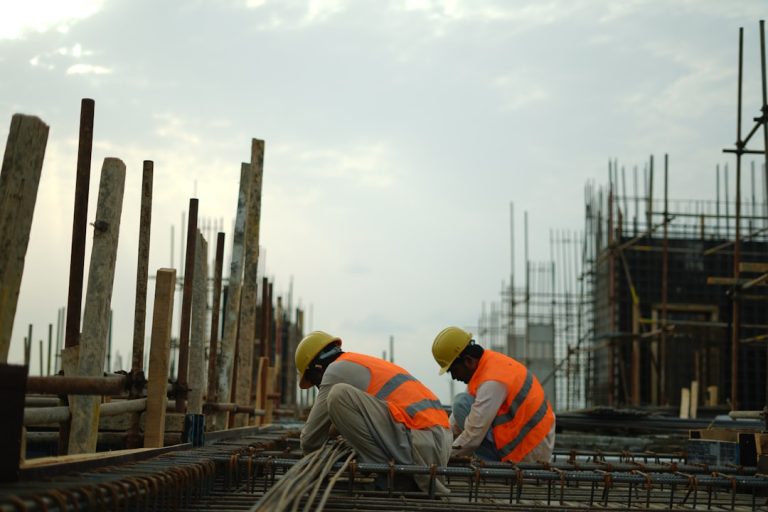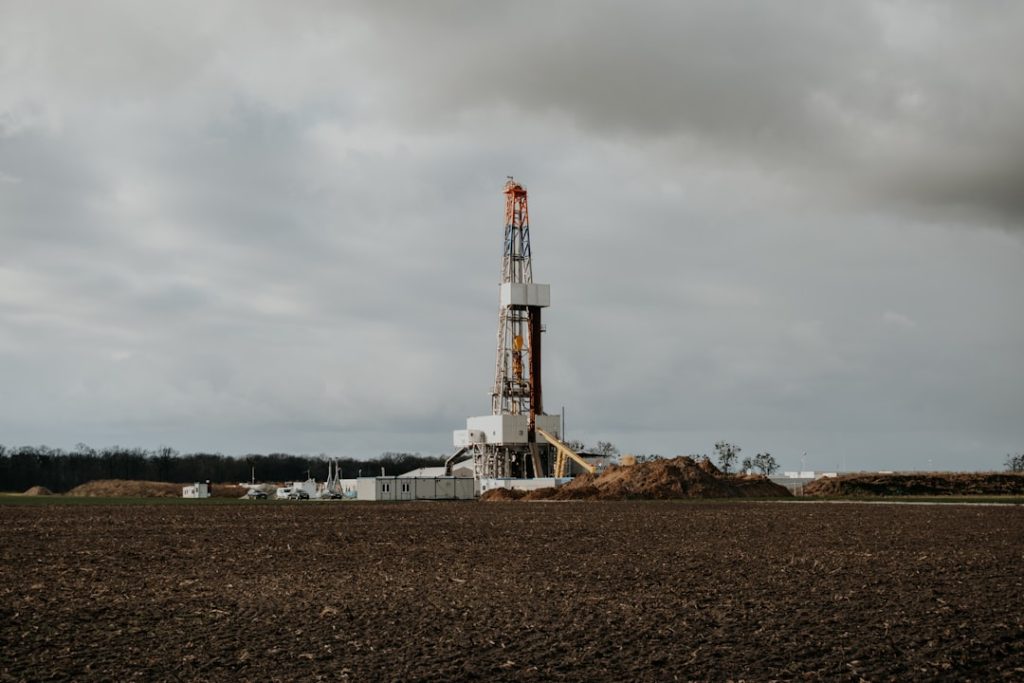
In the American construction and drilling industry, physical safety has traditionally been heavily emphasized, but mental health receives structurally less attention. That is the core message of a recent article by The Driller, picked up by trade publication ISHN. The authors point to a deeply ingrained “rub dirt in it” mentality — the idea that workers should simply ignore their complaints and keep working — which, they argue, overlooks how isolated people can feel even when they are physically surrounded by coworkers on a busy job site.
The construction sector is no marginal industry in the United States: of the 162.7 million American workers, 5.1 percent — roughly one in nineteen — work in construction. Moreover, the industry is estimated to indirectly support 95 percent of the rest of the U.S. economy, which the article says underscores the broader societal impact of problems within the sector.
One specific pain point concerns traveling construction crews, such as drilling crews who move from location to location. For them, the usual ways of decompressing after work fall away: no regular gym, no neighborhood activities, no social network on site. Their lives necessarily play out between the job site, the hotel room, and the trailer. As the article sums it up: “On the road, those essential decompression zones disappear.” According to the authors, that lack of outlets can contribute to depressive symptoms and severe anxiety among these workers.
For EHS professionals, this is relevant because it shows that psychosocial workload is not separate from physical safety, but directly tied to it. Fatigue, reduced concentration, and stress stemming from social isolation and a lack of recovery time are factors that can increase the likelihood of workplace incidents. Where safety policy has traditionally focused mainly on physical hazards — fall hazards, machine safety, personal protective equipment — this issue calls for attention to workers’ broader well-being, especially in roles involving extensive travel and temporary housing. This aligns with a broader, internationally recognized development in occupational safety, in which mental strain is increasingly regarded as a full-fledged part of risk management, alongside classic physical hazards.
The article emphasizes that this dynamic specifically occurs in the American construction and drilling sector, where traveling crews are a common work model. Structural solutions are not detailed in the source article, but the core message is clear: neglecting mental health ultimately also undermines physical safety on the job site.
Source: The Silent Safety Hazard? Neglecting Mental Health, 2 September 2026, https://www.ishn.com/articles/115571-the-silent-safety-hazard-neglecting-mental-health